
Publications
Our publications include more than traditional reports. They span formats such as StoryMaps, apps, photo essays and multimedia. Each one is designed to communicate complex environmental challenges in ways that are visual, engaging, and grounded in real-world impact.
-
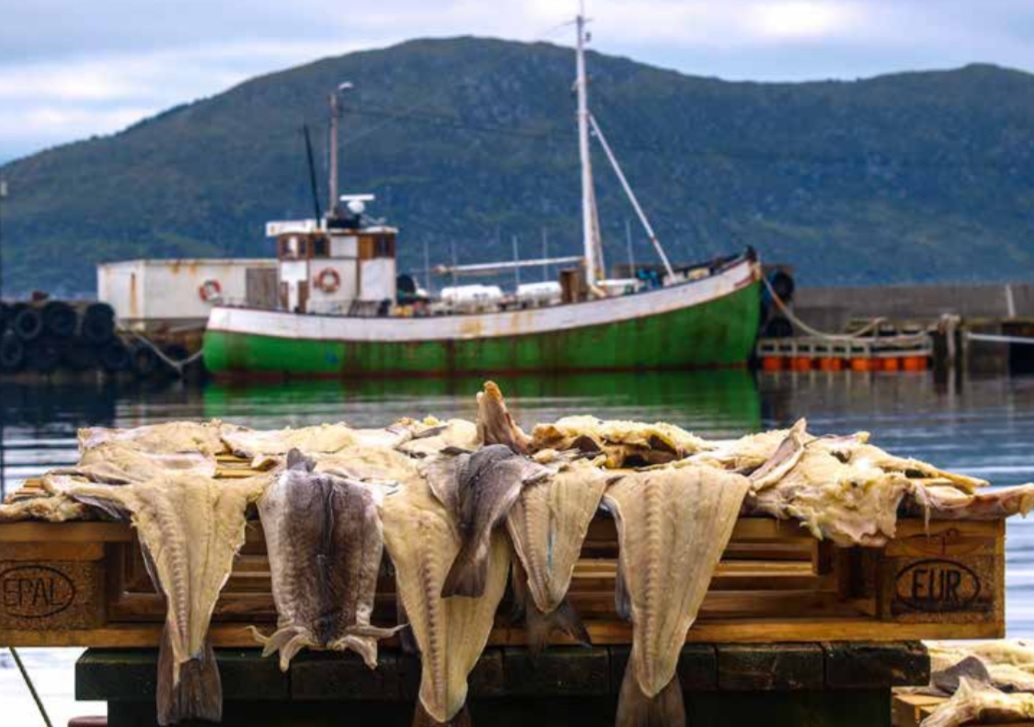
The Economics of Ecosystems and Biodiversity (TEEB) for the Arctic: A Scoping Study
This report presents the results of the scoping study on ecosystem services and the application of a TEEB approach and methodology in the Arctic. The report includes: Results from compiling and synthesizing information, issues, current practices, methodologies and perspectives on Arctic ecosystem services and their values in relation to decision making. List and discussion of…
-

Frozen Heat: A Global Outlook on Methane Gas Hydrates
This report reviews hydrate occurrences that some countries intend to exploit to produce natural gas as a potential for energy security. For instance, Japan tested offshore production earlier this year in which they successfully drilled to the hydrate reservoir (1000 meters of water and about 300 meters sub-seafloor) using a depressurization technique to separate the…
-

Ecosystem Services or Services to Ecosystems? Valuing Cultivation and Reciprocal Relationships between Humans and Ecosystems
The concept of Ecosystem Services (ES), widely understood as the “benefits that humans receive from the natural functioning of healthy ecosystems” (Jeffers et al., 2015), depicts a one-way flow of services from ecosystems to people. We argue that this conceptualization is overly simplistic and largely inaccurate, neglecting the reality that humans often contribute to the…
-

Blue Carbon Story Map
If the world is to decisively deal with climate change, every source of emissions and every option for reducing these should be…
-
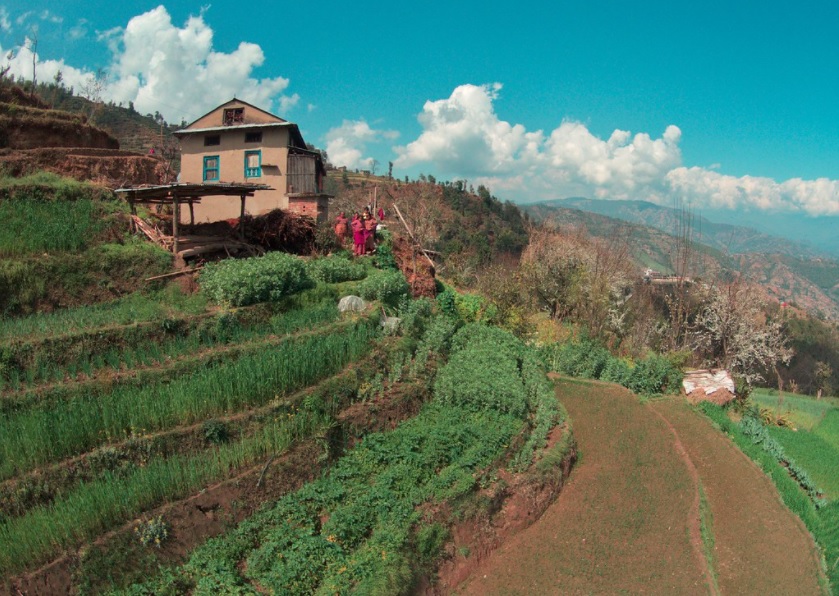
Assessing Community Values to Support Mapping of Ecosystem Services in the Koshi River Basin, Nepal
Human activities and climate change are key factors impacting ecosystem functions and its goods and services, which are important to the livelihoods of mountain communities. In Nepal, community based ecosystem management has been widely adopted as a way to secure local management and empowerment, but local knowledge, perceptions and values of ecosystem change and services…
-
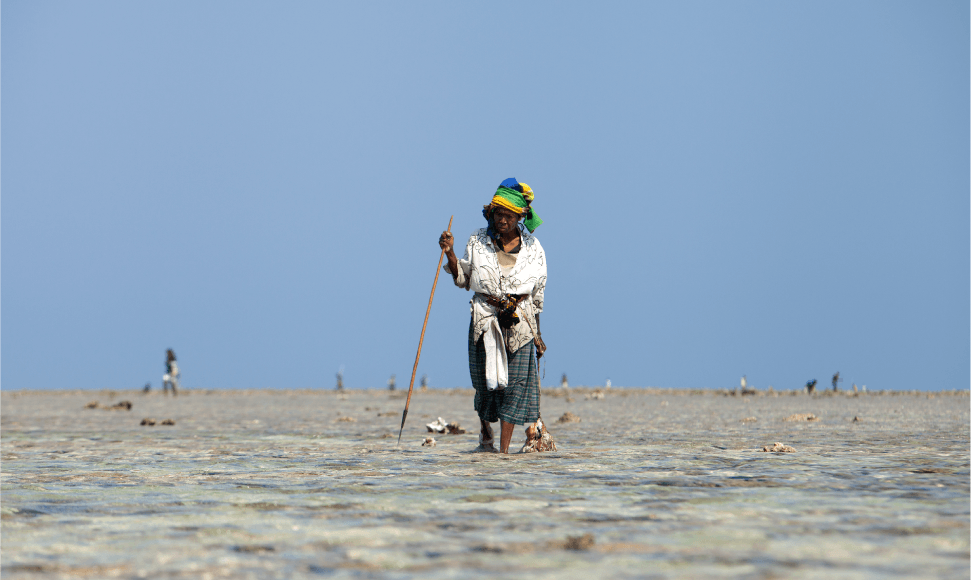
Blue Economy: Sharing Success Stories to Inspire Change
Case studies showing innovative approaches to conserving the oceans, while reaping their benefits in a more equitable and sustainable way.
-
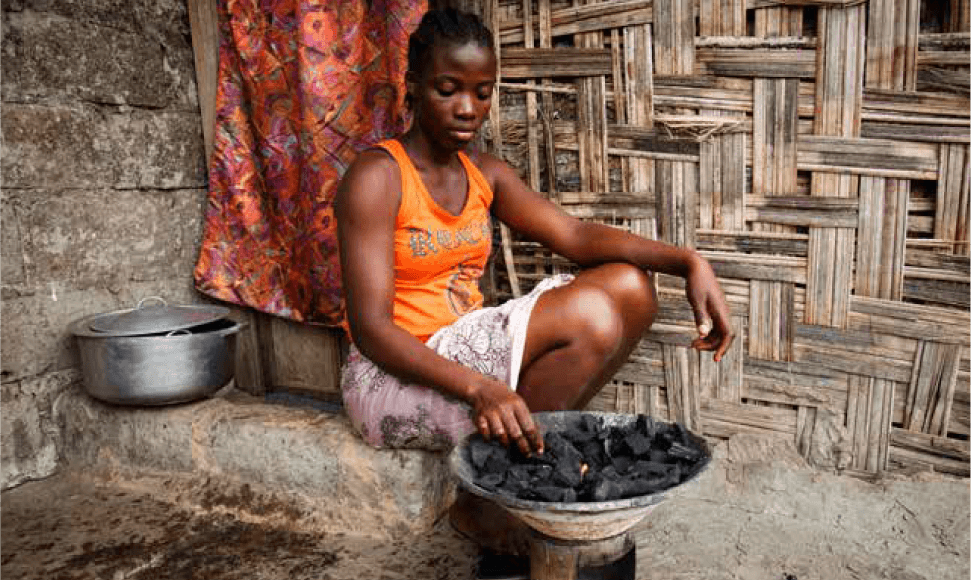
Survive Breathing: Reduce Household Air Pollution to Save Lives and Help the Climate
Reduce Household Air Pollution To Save Lives And Help The Climate
In the early 21st century, nearly 3 billion people still lack… -

Wind Farm Construction Impacts Reindeer Migration and Movement Corridors
Over the last decade, we have seen a massive increase in the construction of wind farms in northern Fennoscandia. Wind farms comprising hundreds of wind turbines are being built, with little knowledge of the possible cumulative adverse effects on the habitat use and migration of semi-domesticated free-ranging reindeer. We assessed how reindeer responded to wind…
-

Waste Crime – Waste Risks: Gaps in Meeting the Global Waste Challenge
As an integrated part of sustainable development, effective waste management can reduce our global footprint.
-
-
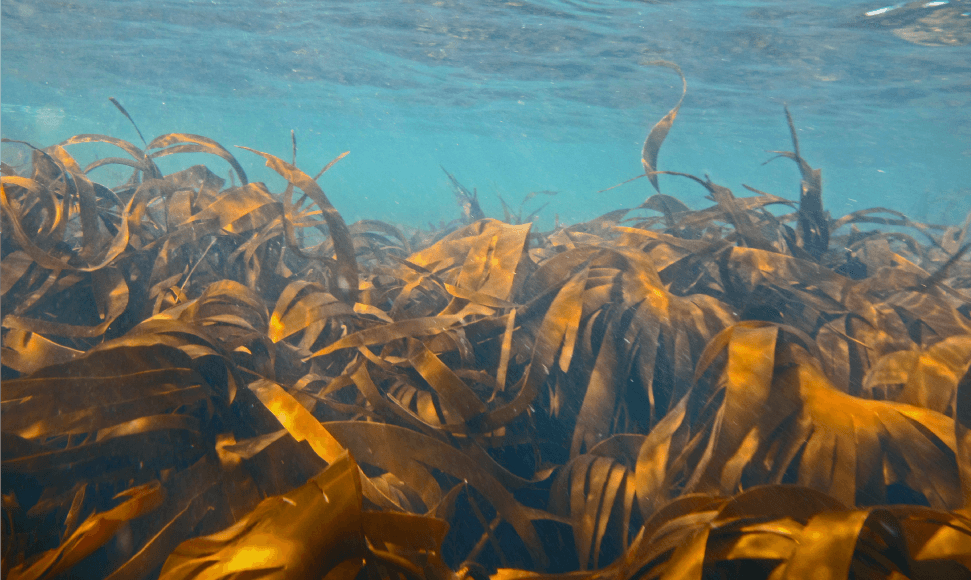
Norwegian Blue Forests Network (NBFN): Mobilizing Norwegian Expertise for Sustainable Management of the Blue Forests in Norway and Abroad
Blue forests are marine and coastal ecosystems that are particularly valuable through their provisioning of multiple ecosystem services, of which carbon capturing and sequestration is one. The ability to assimilate and store atmospheric carbon is shared by all marine ecosystems (a concept also termed ‘blue carbon’). Some are particularly effective at this. Mangrove forests, seagrass…
-
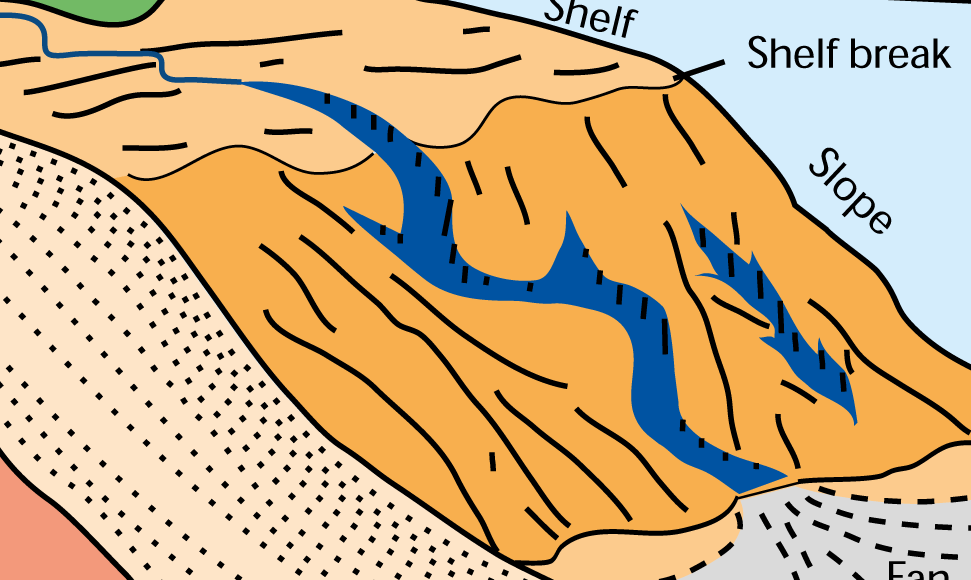
Geomorphology of Mediterranean Submarine Canyons in a Global Context – Results from a Multivariate Analysis of Canyon Geomorphic Statistics
Results from a multivariate analysis o f canyon geomorphic statistics
-
The Shelf Programme: A Decade of Successfully Helping to Secure the Maritime Rights of Developing Coastal States
Not so long ago there was real concern that many developing States would not make the United Nations imposed deadline for lodging submission
-

Food Wasted, Food Lost: Food Security by Restoring Ecosystems and Reducing Food Loss
Food security by restoring ecosystems and reducing food loss
-
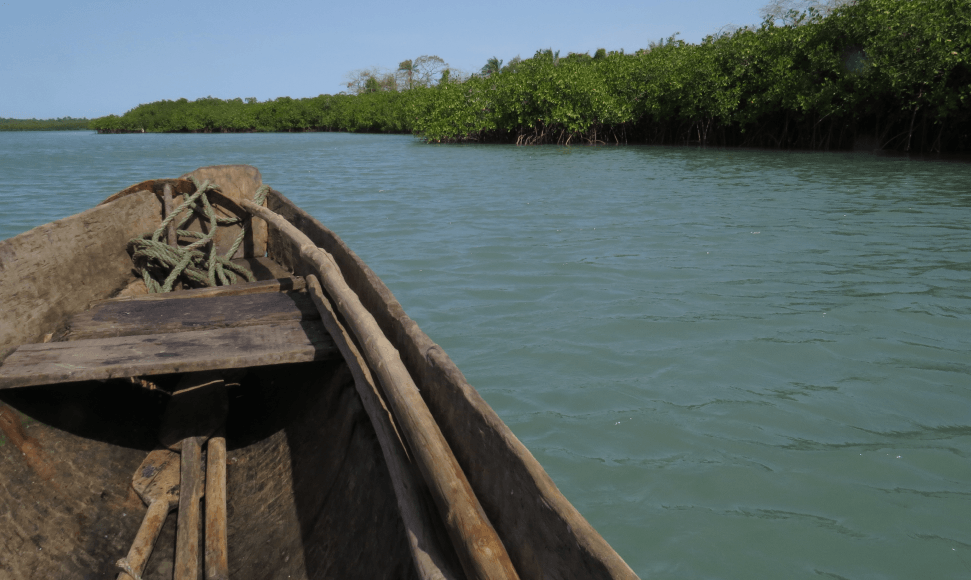
Carbon Pools and Multiple Benefits of Mangroves Assessment for REDD+ in Central Africa
Carbon pools and multiple benefits of mangroves in Central Africa
-
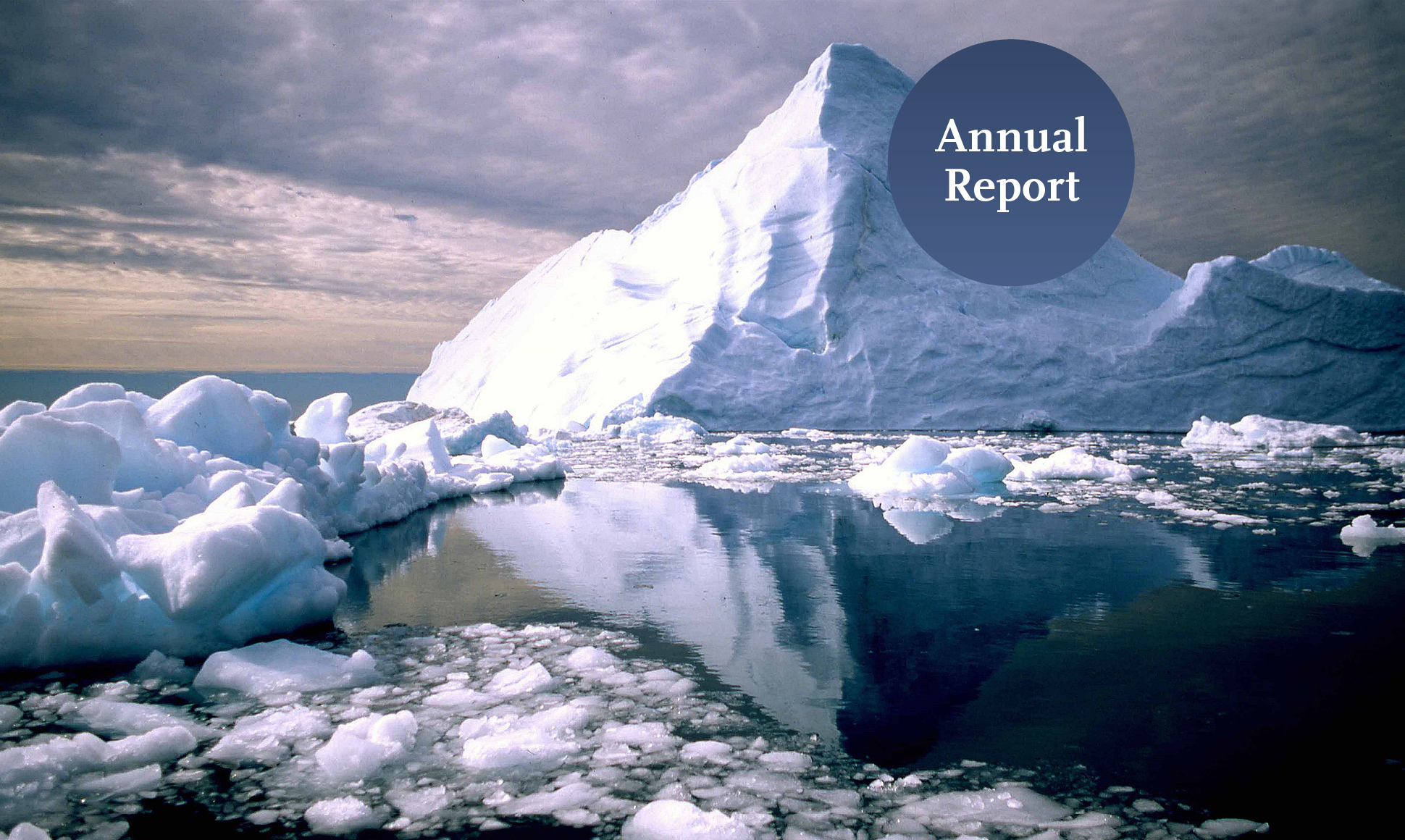
GRID-Arendal at 25 – Building on Success: Annual Report 2014
GRID-Arendal Annual report 2014
-
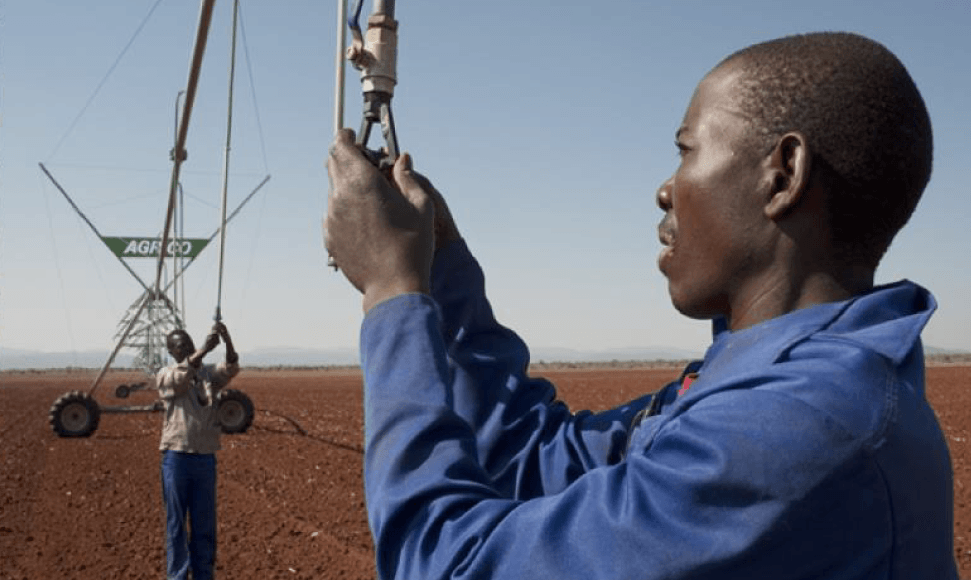
Project: Analysis of Impacts of Large-Scale Investments in Agriculture on Water Resources, Ecosystems and Livelihoods; and Development of Policy Options for Decision Makers
The goal of this project is to analyze the nature and extent of impacts of foreign direct investments (FDI) in agriculture in Africa. The research, which is being conducted on behalf of the African Ministers’ Council on Water (AMCOW) by IWMI in partnership with UNEP, GRID-Arendal and FAO, is specifically investigating how these schemes are…
-

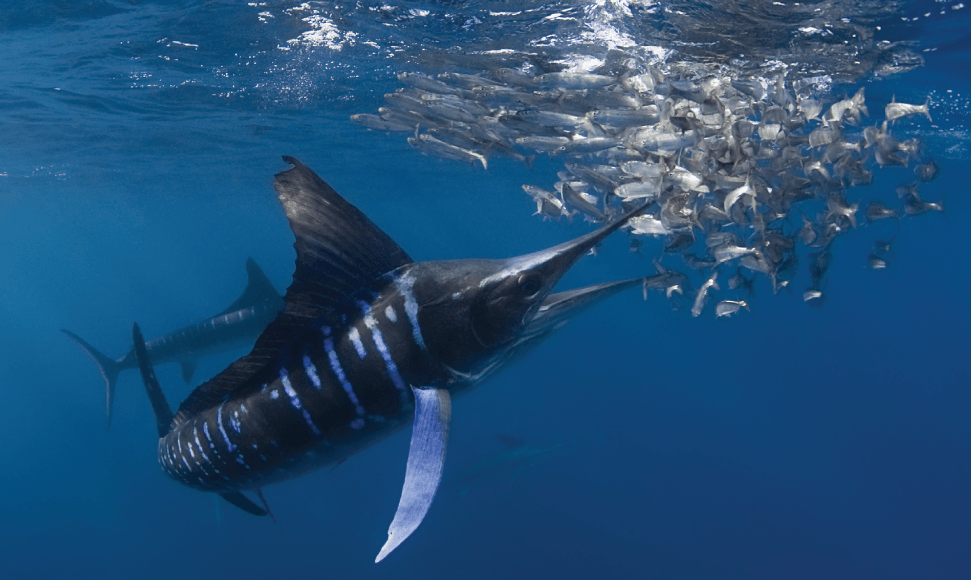
Fish Carbon: Exploring Marine Vertebrate Carbon Services
In answer to the call by the United Nations to provide innovative solutions to address the climate change challenge and prevent global…
-

Mercury: Acting now!
The UNEP Global Mercury Partnership is acting now on the substantive areas of the Minamata Convention on Mercury. This brochure illustrates key issues and how they are being addressed by partners of the UNEP Global Mercury Partnership.
-

Future Imperfect: Climate Change and Adaptation in the Carpathians
Climate change and adaptation in the Carpathians
-
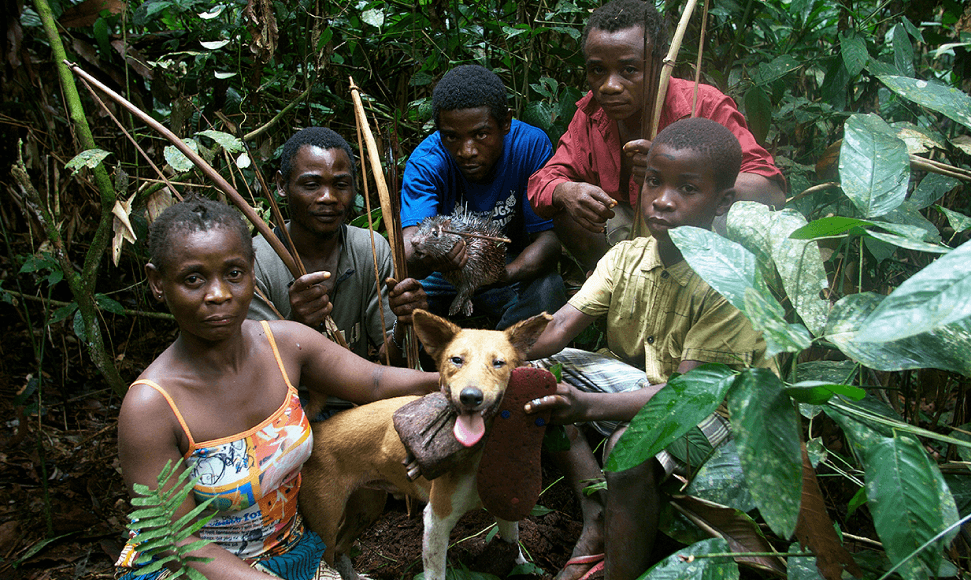
State of the Rainforest 2014
Humankind can celebrate impressive progress in the last generation: People live longer, fewer children die, more people learn to write and read, and the percentage of people in extreme poverty has decreased substantially. There are, however, two major areas where we have no reason to applaud: The escalating degradation of ecosystems, including loss of irreplaceable…
-
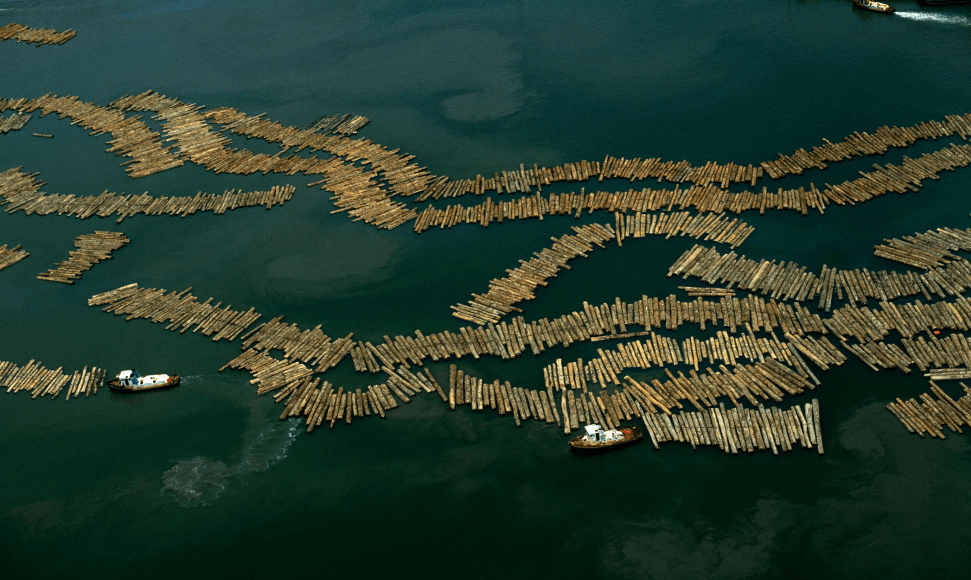
How to Identify Forest Crime: Africa
It is important to track timber along the entire timber supply chain and to ensure compliance with the laws at each stage: 1. Harvest 2. Transportation to sawmills 3. Processing 4. Transportation to stores 5. Consumption The text also mentions steps in prosecution upon arrest of a suspect.
-
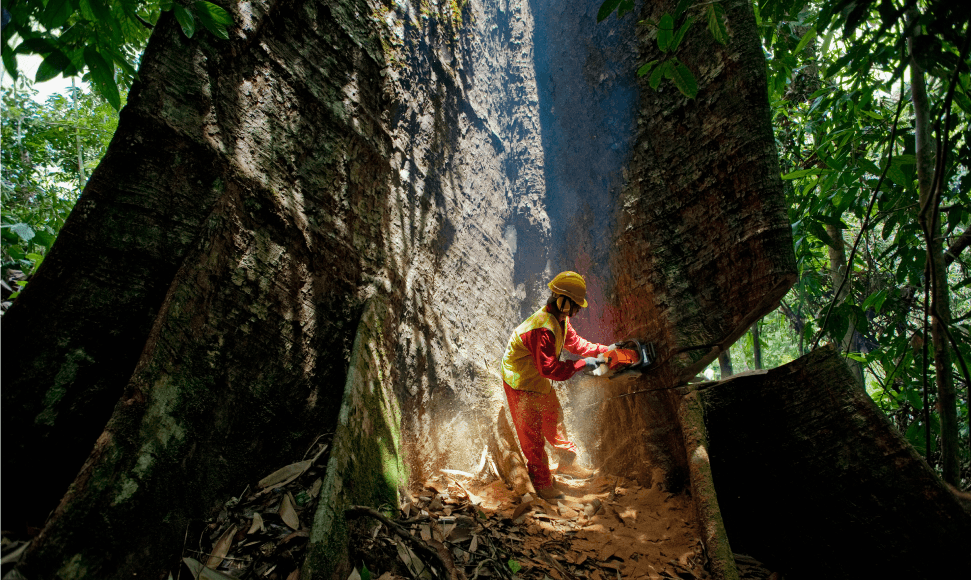
How to Identify Forest Crime: Asia
It is important to track timber along the entire timber supply chain and to ensure compliance with the laws at each stage: 1. Harvest 2. Transportation to sawmills 3. Processing 4. Transportation to stores 5. Consumption The text also mentions steps in prosecution upon arrest of a suspect.
-
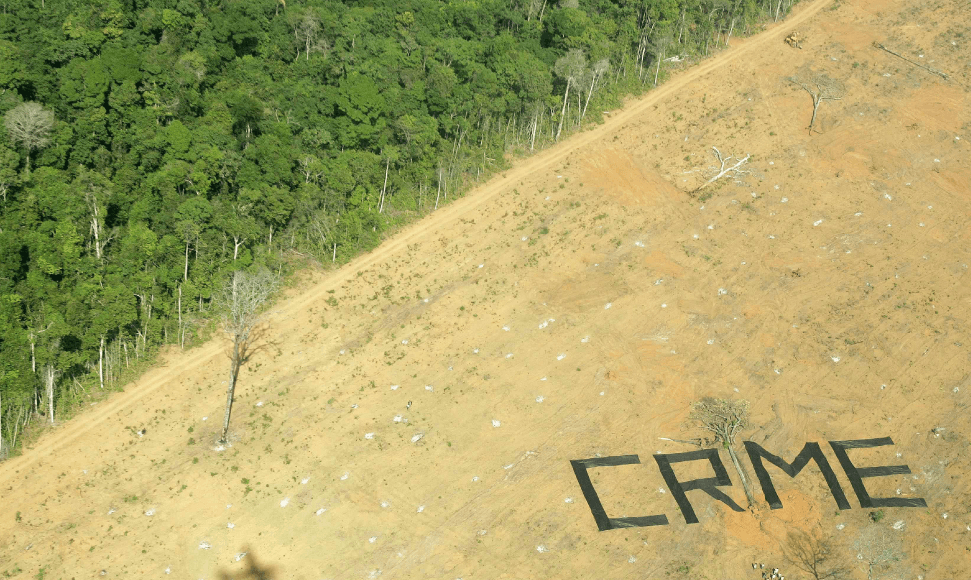
How to Identify Forest Crime: Latin America
It is important to track timber along the entire timber supply chain and to ensure compliance with the laws at each stage: 1. Harvest 2. Transportation to sawmills 3. Processing 4. Transportation to stores 5. Consumption The text also mentions steps in prosecution upon arrest of a suspect.
-
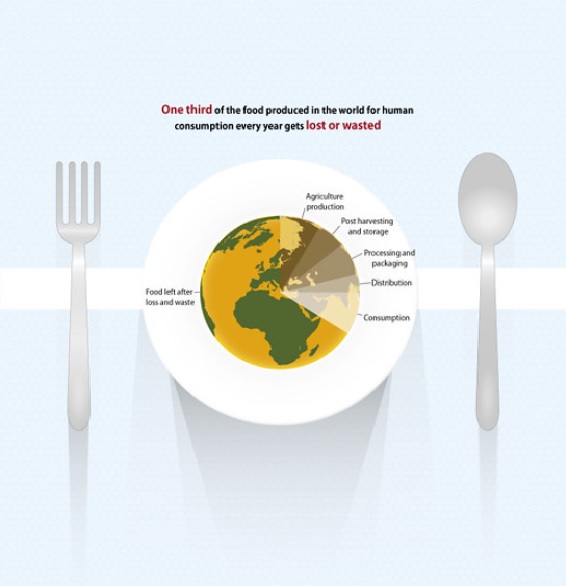
Ecosystem-Based Adaptation for Food Security in the AIMS SIDS: Integrating External and Local Knowledge
This paper critically reviews ecosystem-based adaptation (EbA) approaches for food security under climate change, specifically for the Small Island Developing States (SIDS) comprising the Africa, Indian Ocean, Mediterranean and South China Sea (AIMS) region. The focus is on integrating different knowledge forms. An analysis of current EbA approaches for food security is undertaken, alongside a…
-
Transboundary Waters (flyer)
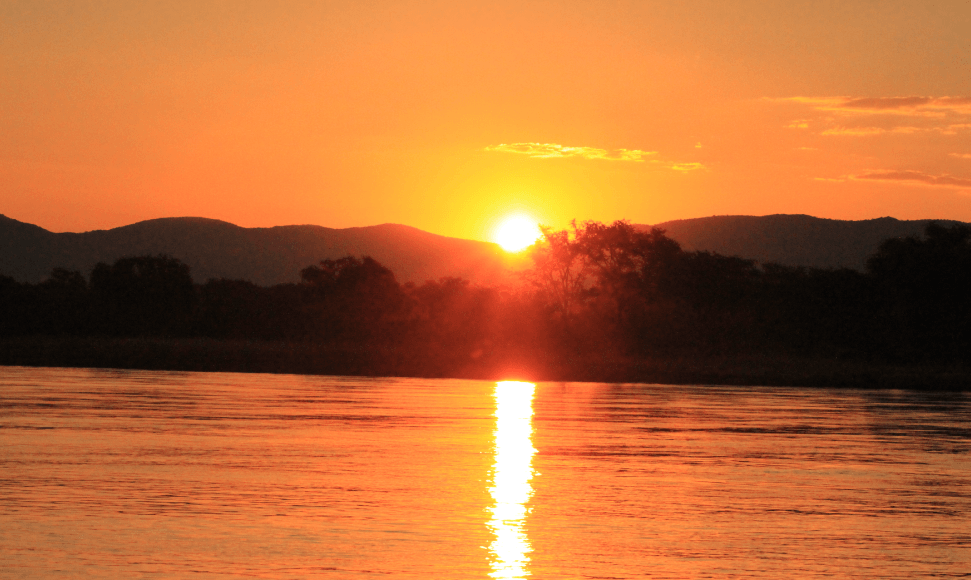
PROMOTING THE SUSTAINABLE USE OF SHARED WATER RESOURCES Approximately 40 per cent of the world’s population lives in river and lake basins that comprise two or more countries. With nearly 90 percent of the global population living in a country where freshwater resources cross borders, the peaceful coordination and sustainable use of shared waters are…
-
The Last Straw: Food Security in the Hindu Kush Himalayas and the Additional Burden of Climate Change
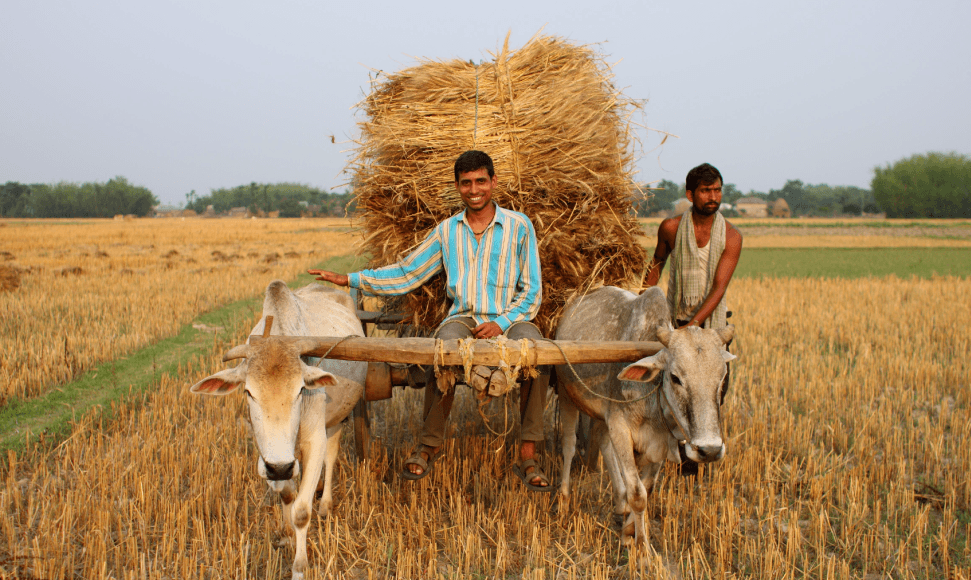
The additional burden of climate change on food security in the Himalaya
-

The Environmental Crime Crisis: Threats to Sustainable Development from Illegal Exploitation and Trade in Wildlife and Forest Resources
Given the alarming pace, level of sophistication, and globalized nature that illegal trade in wildlife has now notoriously achieved…
-

The Western and Central Africa Land–Sea Interface: A Vulnerable, Threatened, and Important Coastal Zone within a Changing Environment
The primary objective of this book, focusing on Western and Central African coastal areas, is to provide up-to-date scientific information and discuss quantitative data about selected estuaries and coastal ecosystems. As a volume of the series “Estuaries of the World” (EOTW), it is aiming at offering a better understanding of Land–Ocean Interactions in the Coastal…
-

Marine Geology – Geomorphology of the Oceans
We present the first digital seafloor geomorphic features map (GSFM) of the global ocean. The GSFM includes 131,192 separate polygons in…