
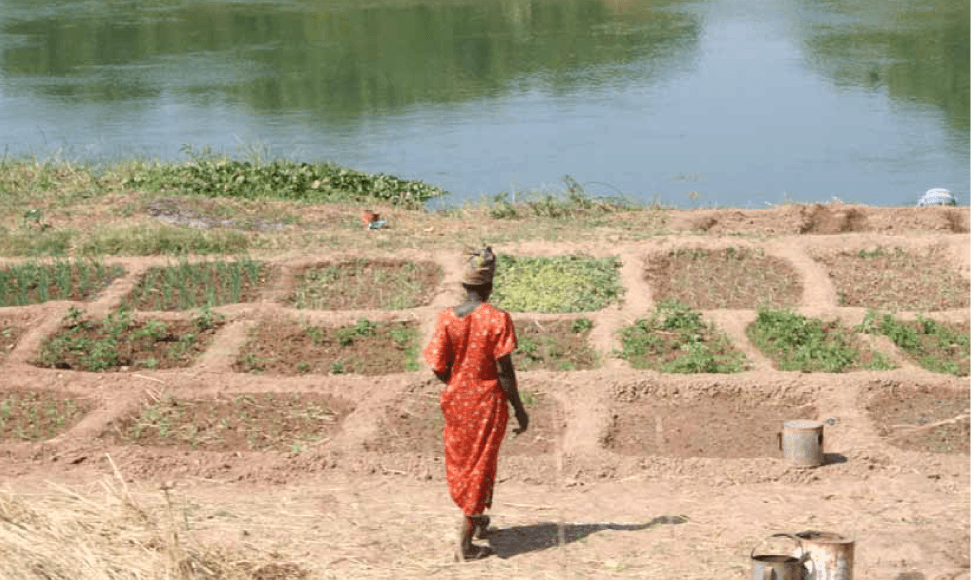
Africa Environment Outlook 3: Author’s Guide
The purpose of these guidelines is to serve as a reference point for all players...
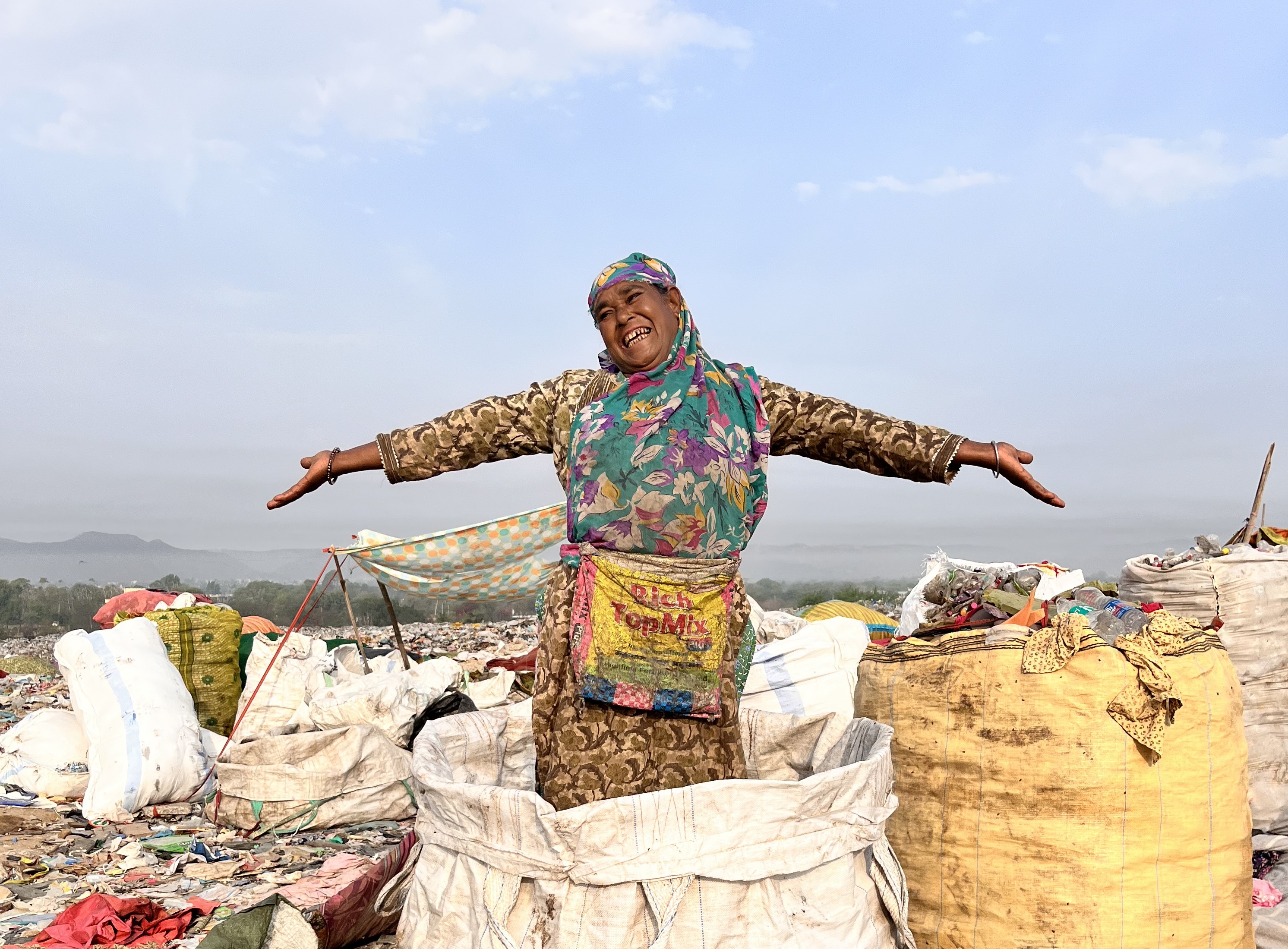
Awareness and Capacity-building for Women of the Informal Recycling Sector
Toolkit for Facilitators – First EditionGRID-Arendal, in collaboration with strategic partners, has developed a unique,...
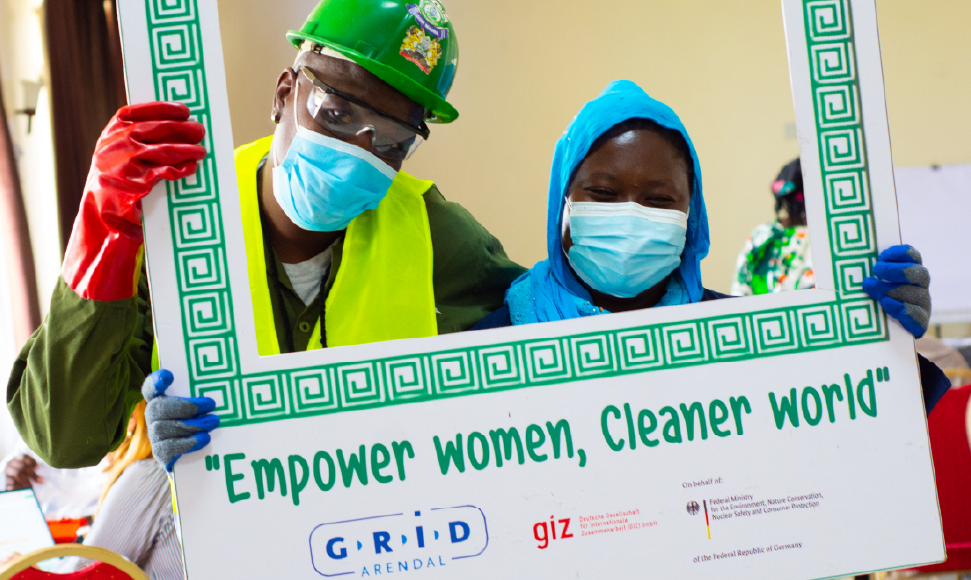
Awareness and Capacity-building for Women of the Informal Recycling Sector
Toolkit for Facilitators – Second EditionA practical, gender-responsive toolkit supporting facilitators to strengthen awareness, safety,...

Climate
Purpose & RoleThis Impact Area focuses on helping people and ecosystems adapt to climate change...
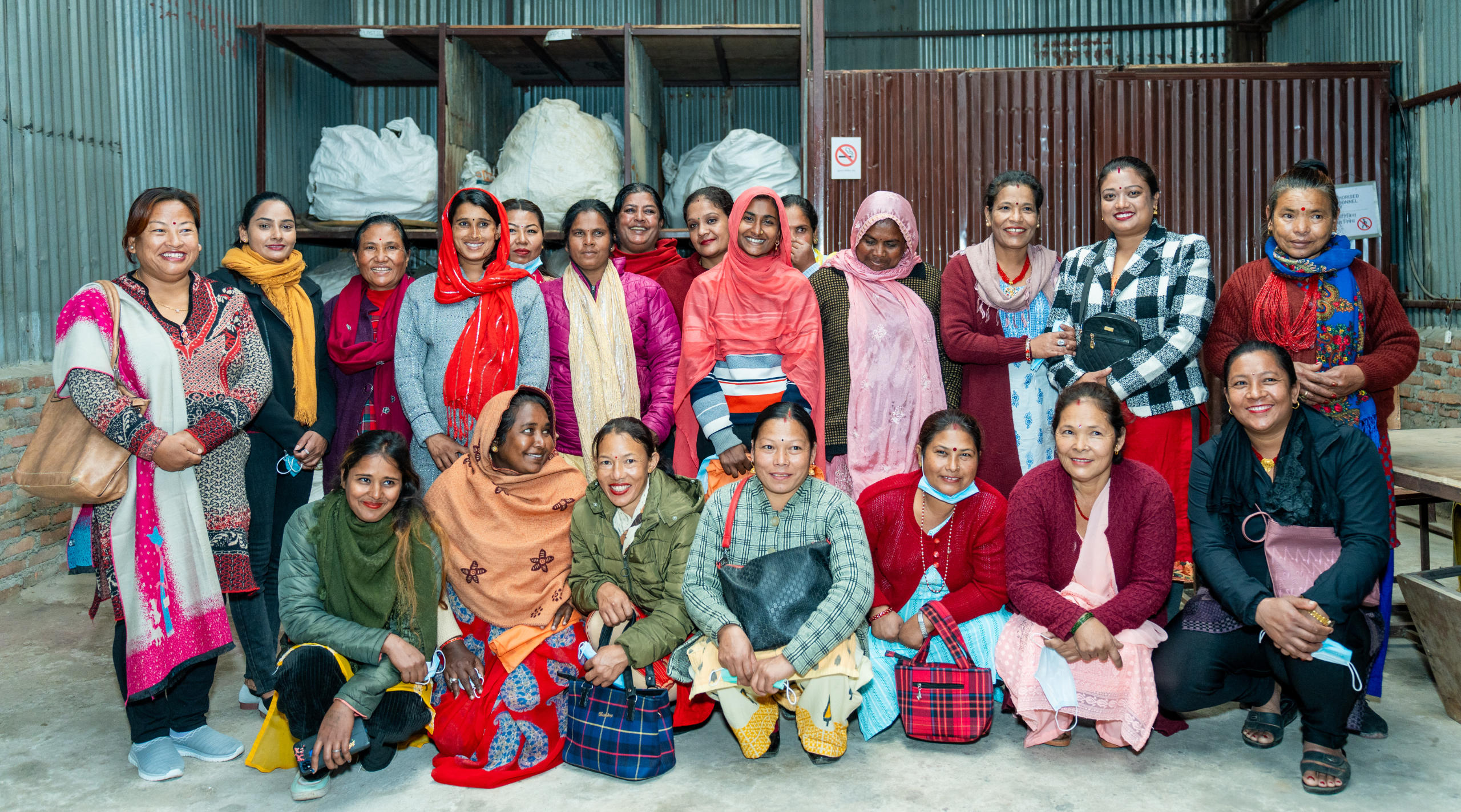
Curbing River Plastic Pollution and empowering Nepal’s Informal Waste Sector
The brief contains recommendations for Nepali policy- and decision-makers to prevent plastic pollution in Kathmandu,...
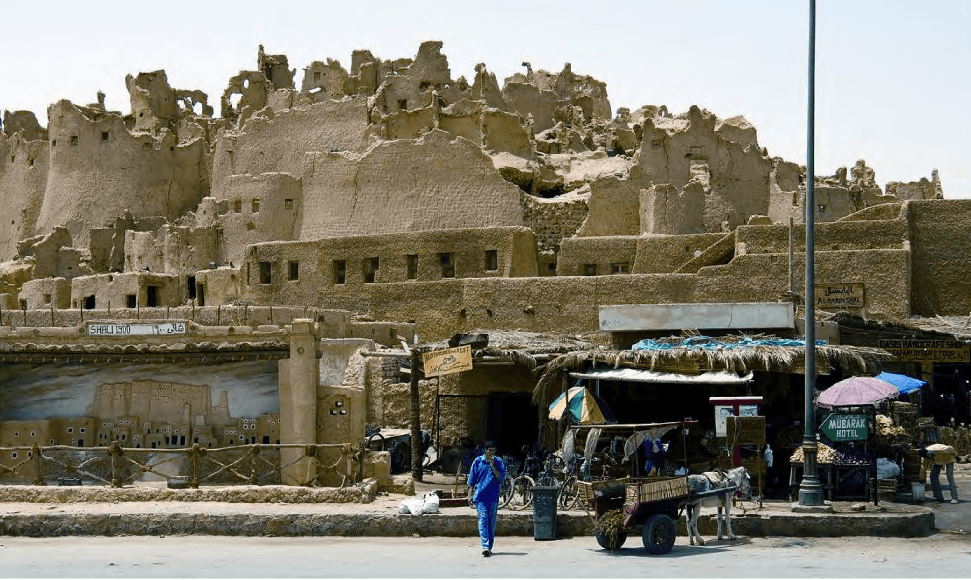
Environment & Poverty Times No.6
The theme of the 6th issue of Environment and Poverty Times is resource efficiency as...
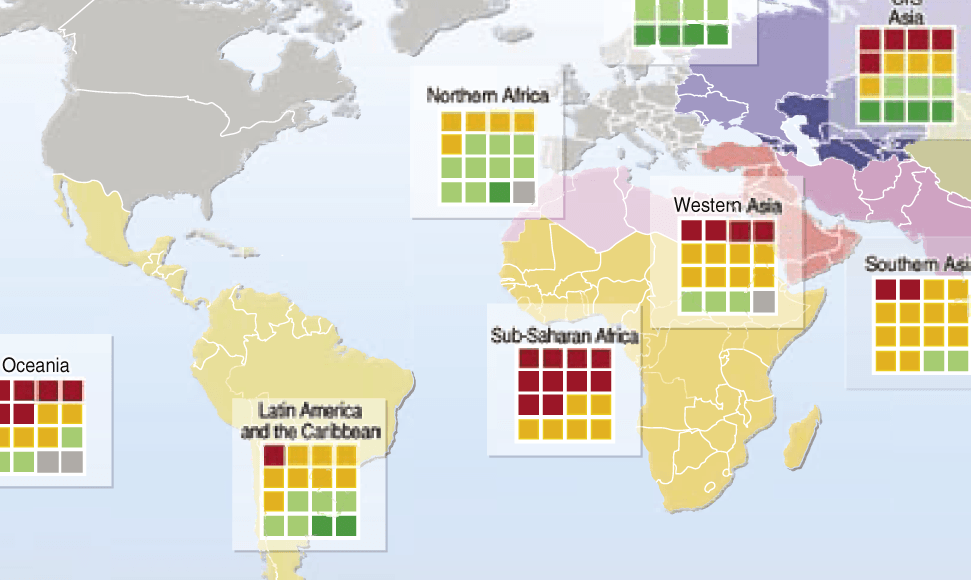
Environment and Poverty Times No.4
A new edition of the Environment and Poverty Times was launched at the World Summit...
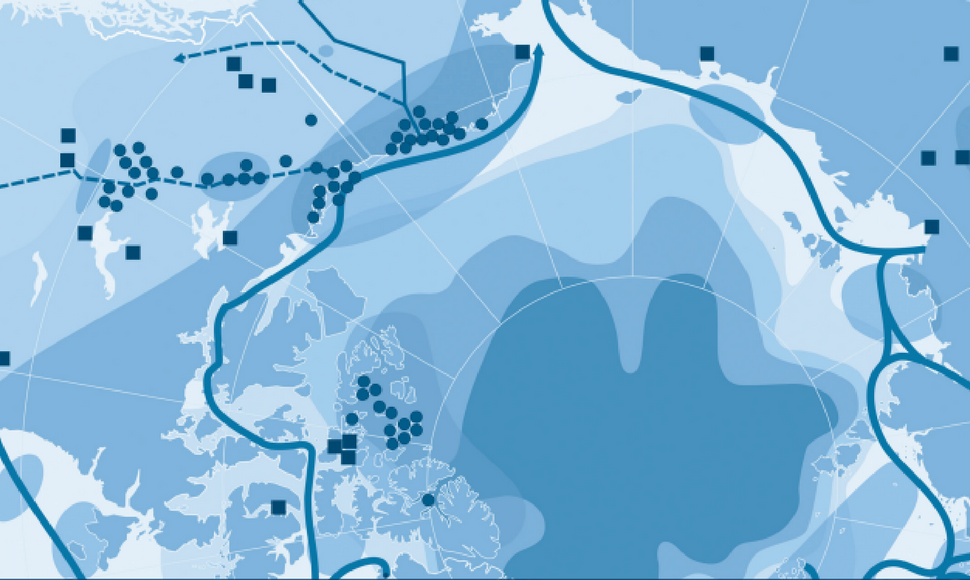
Final Report on the Framework Agreement for 2008–2009 between the Norwegian Ministry of Foreign Affairs and GRID-Arendal
The Framework Agreement between the Norwegian Ministry of Foreign Affairs (MoFa) and GA, dated 12...
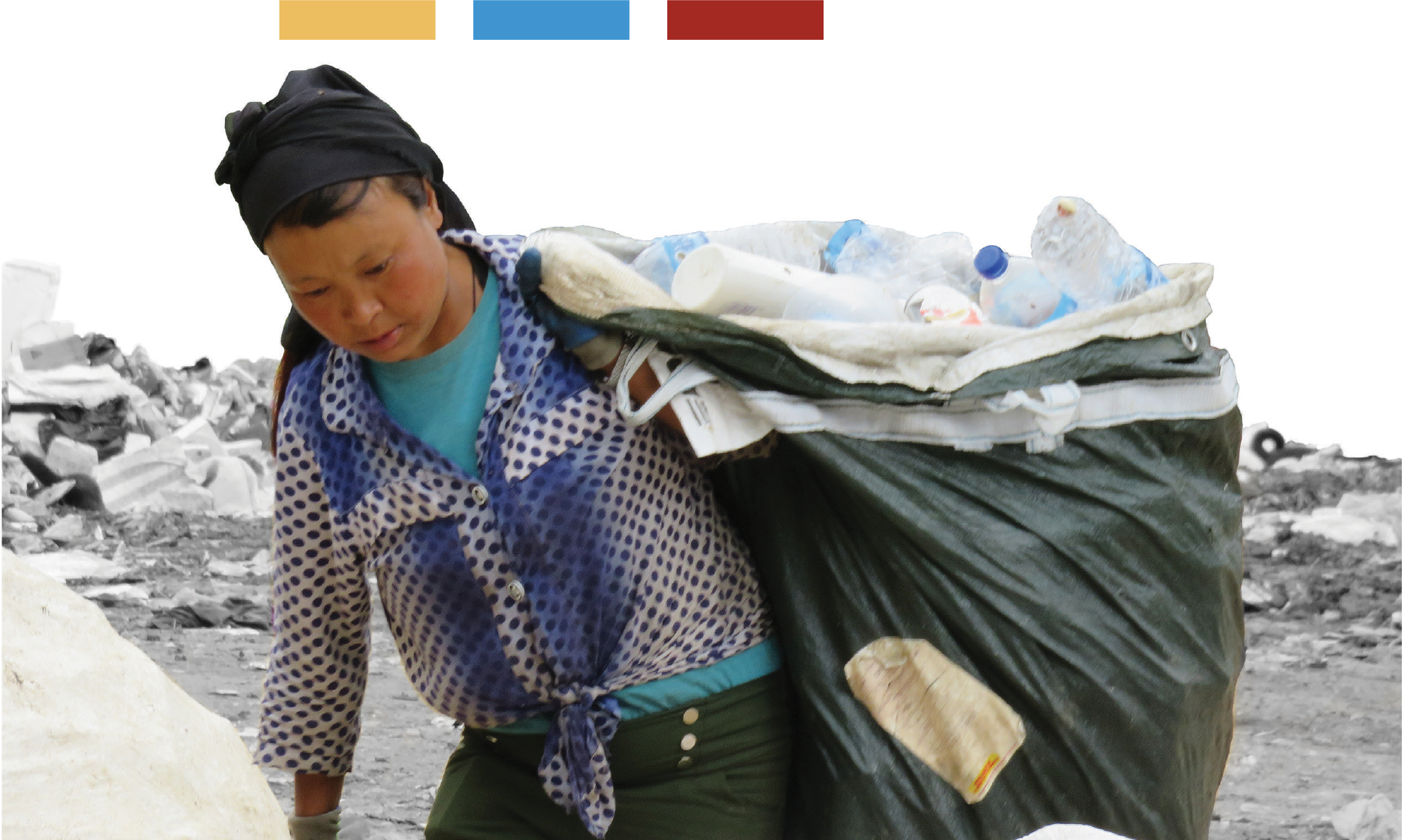
Gender and Waste Nexus: Experiences from Bhutan, Mongolia and Nepal
Waste, unwanted and discarded material, is a growing problem worldwide that concerns everyone. Waste management...

GEO-6
Every couple of years UN Environment takes the global environmental temperature. GEO-6 will provide the...
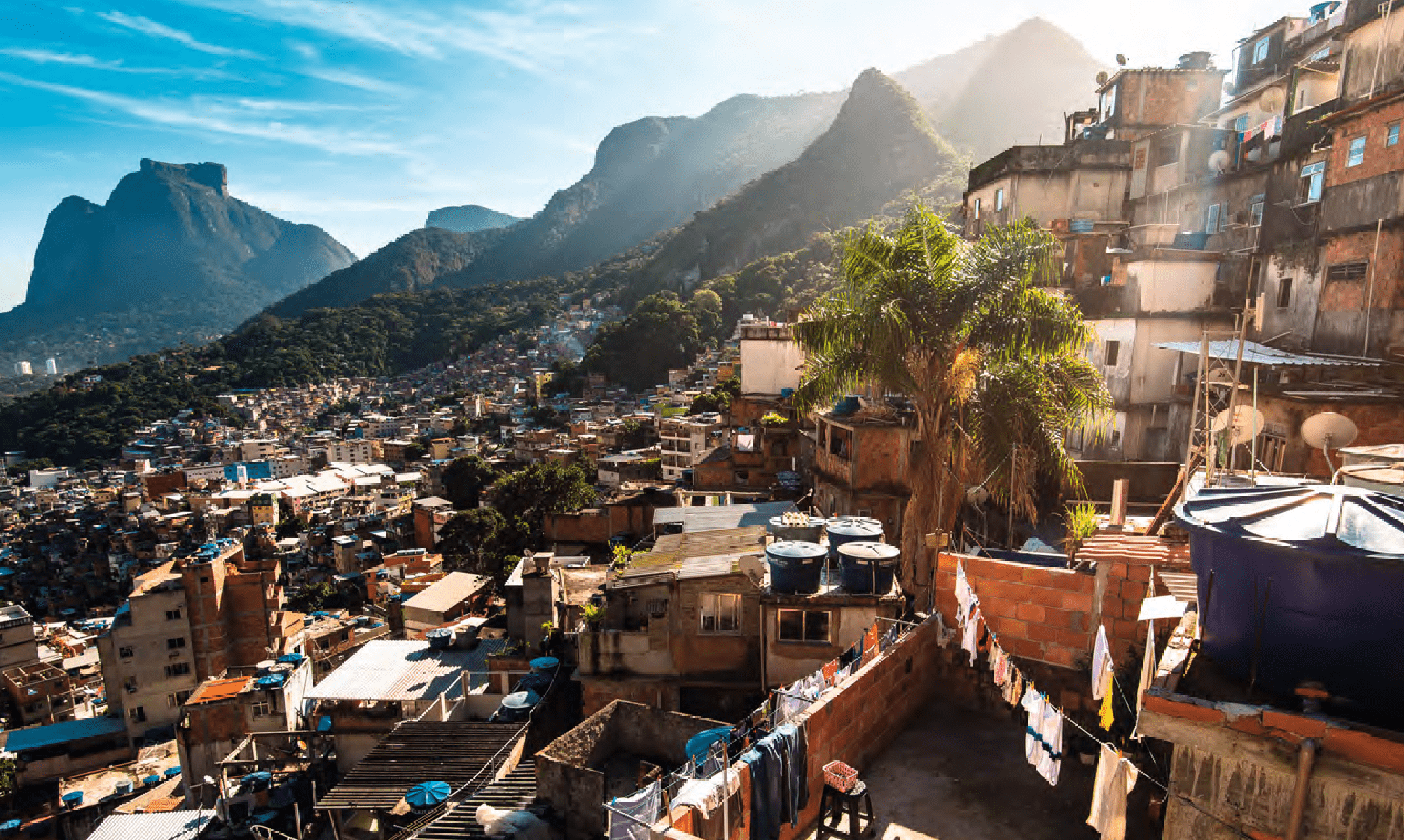
GEO-6 Chapter 4: Cross-Cutting Issues
As understanding of the interdependence between a healthy planet and healthy people becomes more developed,...

Global Environment Outlook (GEO-6): Healthy Planet, Healthy People
The sixth Global Environment Outlook (2019) calls on decision makers to take immediate action to...

Green Economy in a Blue World
A worldwide transition to a low-carbon, resource-efficient Green Economy will not be possible unless the...
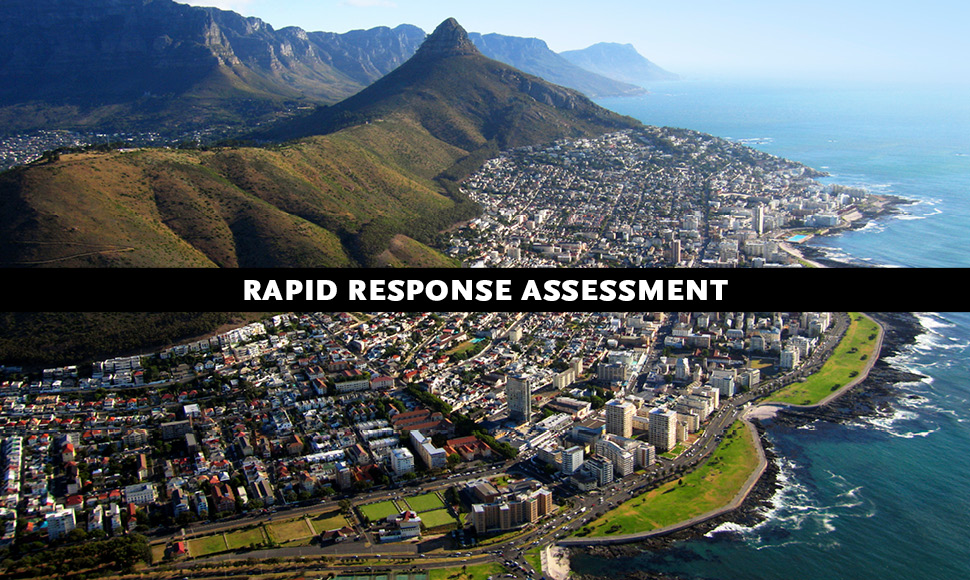
Green Hills, Blue Cities: An Ecosystems Approach to Water Resources Management for African Cities
Africa is currently the least urbanized region in the world, but this is changing fast....

