

- Single Image File
Working for Water employment
The Working for Water programme was launched in 1995 and is administered through the Department of Water Affairs and Forestry. The programme works in…

- Single Image File
Biodiversity threats
South Africa is recognised as the third most megadiverse country in the world. The abundance of biodiversity found within its borders covers an estimated…
- Video
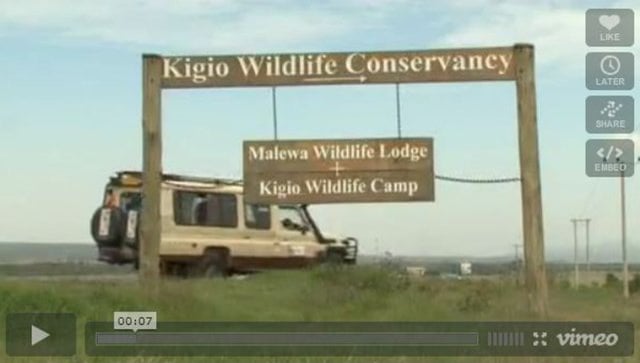
Malewa Wildlife Lodge
- Video
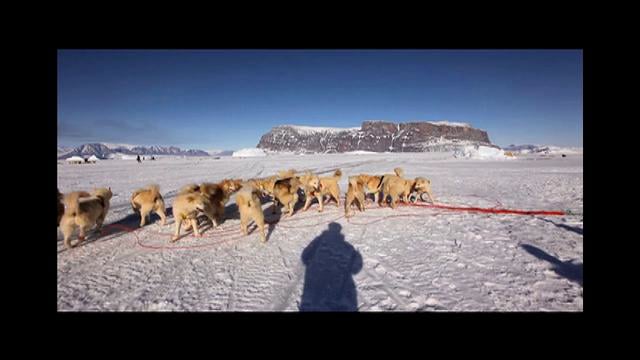
Dog sledding on Greenland
- Video
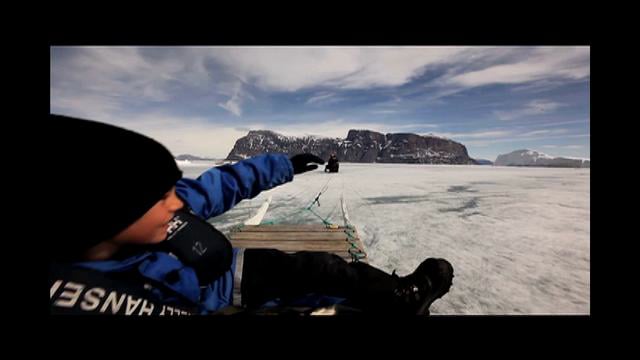
Melting ice
- Video
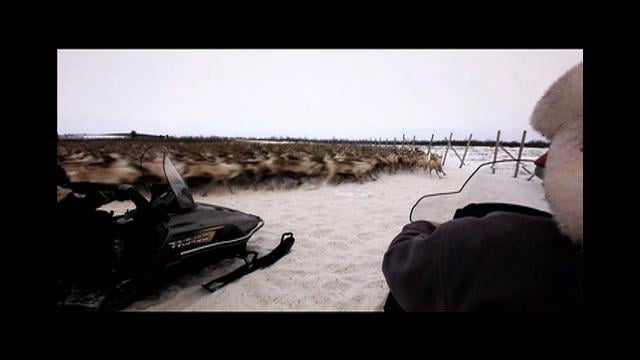
Reindeers
- Collection
Green Hills, Blue Cities – an Ecosystems Approach to Water Resources Management for African Cities
Of the one billion people living on the African continent, about 40 per cent lives in urban areas. Between 1990 and 2010, the total…

- Single Image File
Access to sanitation in Yaoundè
Proper disposal of sewage is essential for urban water quality, and in Yaoundè the treatment of wastewater, excreta, and sewage can be classified into…
- Single Image File
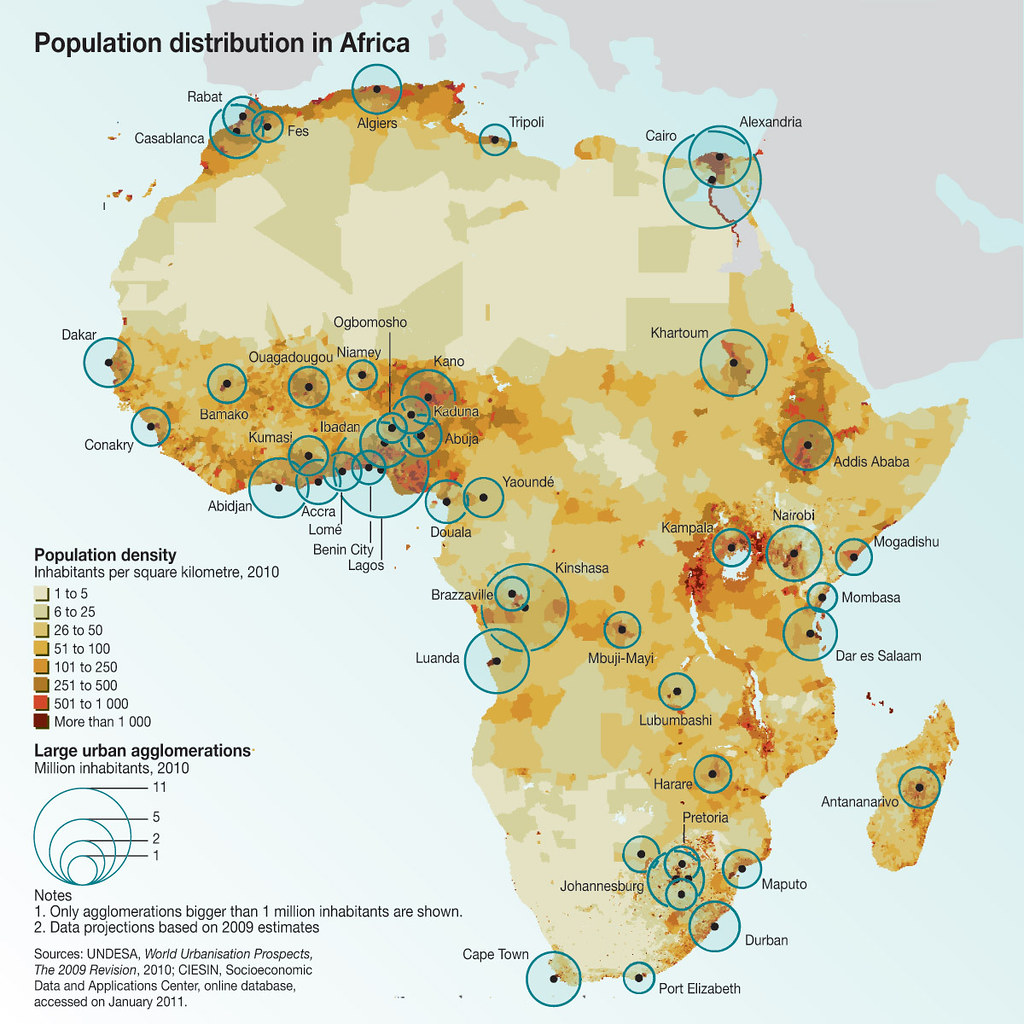
Population distribution in Africa
In 1990 there were only 24 cities in Africa with more than one million inhabitants. Today this number has increased to 48 cities, of…

- Single Image File
Water supply and demand in Nairobi
The bulk of water supply for Nairobi comes from Thika, Sasumua and Ruiru Dams, as well as the Kikuyu Springs. Over time water supply…

- Single Image File
Sources of water for domestic use in Port Harcourt
The main source of water in Port Harcourt is boreholes, which account to about 50 per cent of the water sources for domestic use.…

- Single Image File
Access to sanitation in urban Africa
The number of people in Africa with access to improved sanitation, defined as “one that hygienically separates human excreta from human contact” (WHO/UNICEF 2010),…