
Publications
Our publications include more than traditional reports. They span formats such as StoryMaps, apps, photo essays and multimedia. Each one is designed to communicate complex environmental challenges in ways that are visual, engaging, and grounded in real-world impact.
-
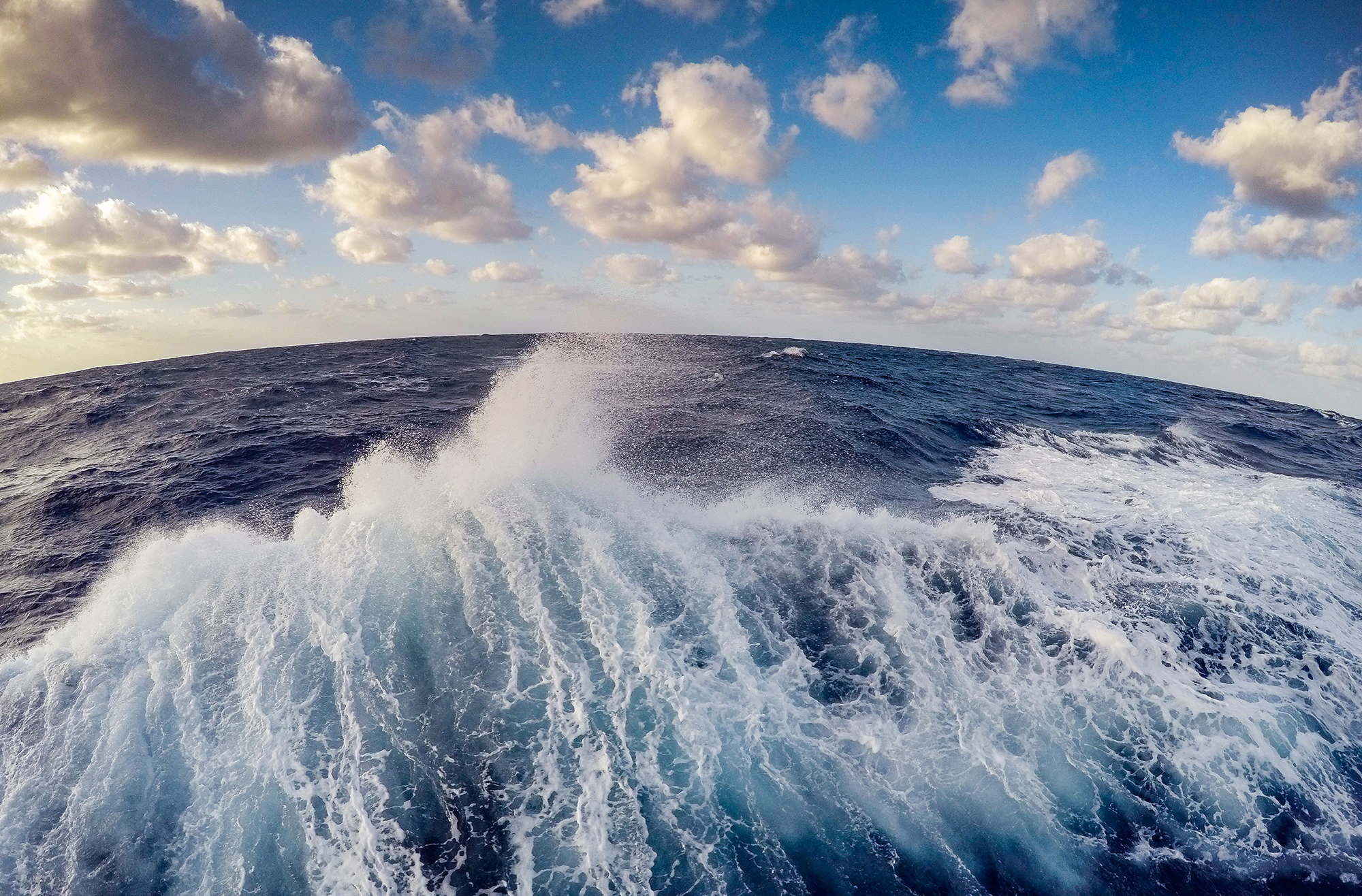
Taking a mass-balance approach to marine plastics in the South China Sea
The South China Sea (SCS) is recognised as a global hotspot for plastic pollution. We review available field studies and identify a significant lack of data needed to construct a simple mass balance box model for plastic pollution in the SCS. Fundamental information on plastic mass input, transfer and sink terms are simply not available….
-

“A hazy allocation”
Despite public outcry and court challenge, Chinese coal miner returns to Zimbabwe’s biggest game reserve.
-
Building Resilience: GRID-Arendal Annual Report 2020
The year 2020 brought home the importance of resilience. The COVID-19 pandemic highlighted the need for systems, communities, and countries to be more resilient, able to adapt to changes and withstand shocks and disasters. The pandemic also demanded that we all become more personally resilient, being flexible and finding new ways to do our work…
-
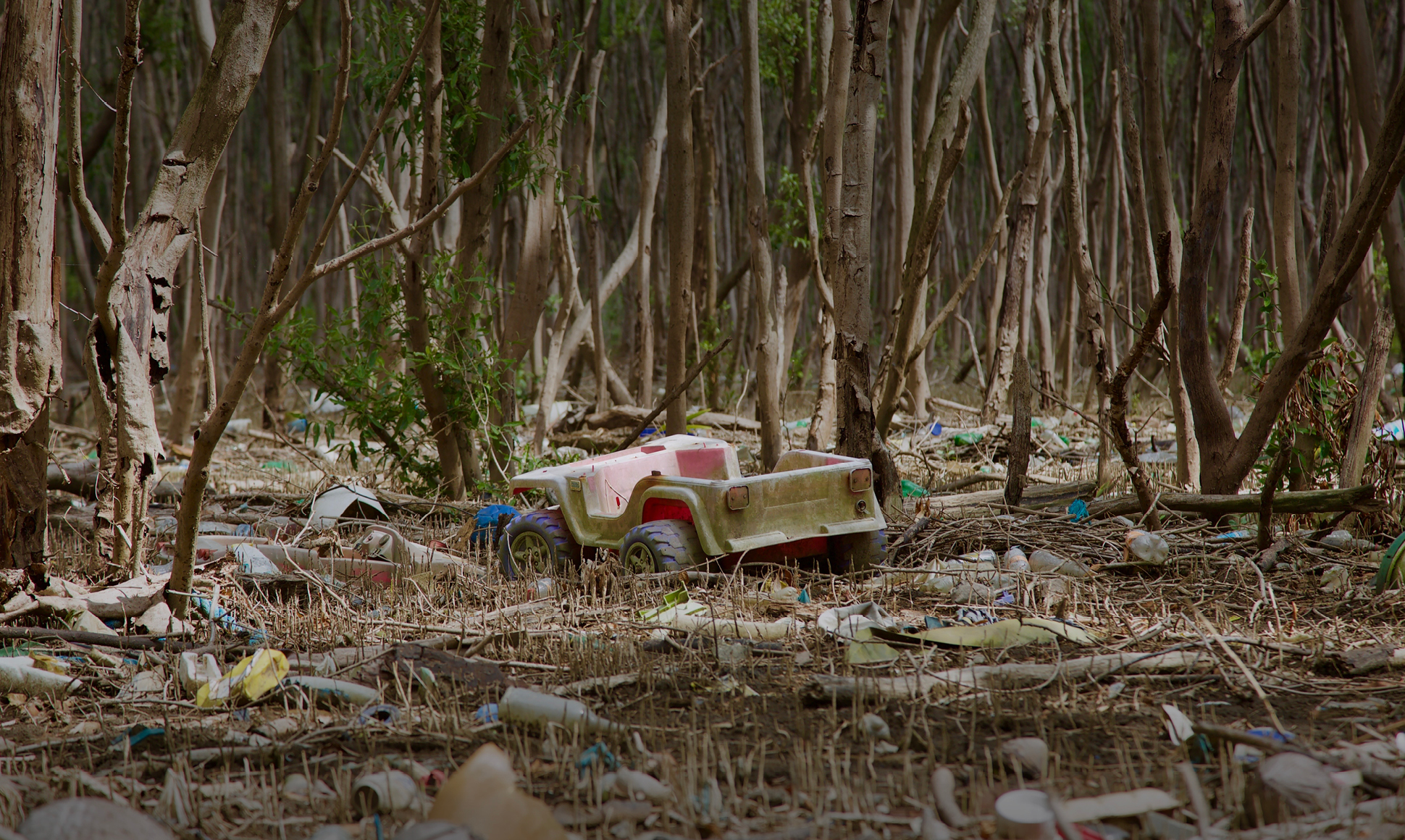
Inventory of Global and Regional Plastic Waste Initiatives
This review indicates thematical & geographical gaps in efforts towards solving the plastic crises & proposes concrete recommendations.
-
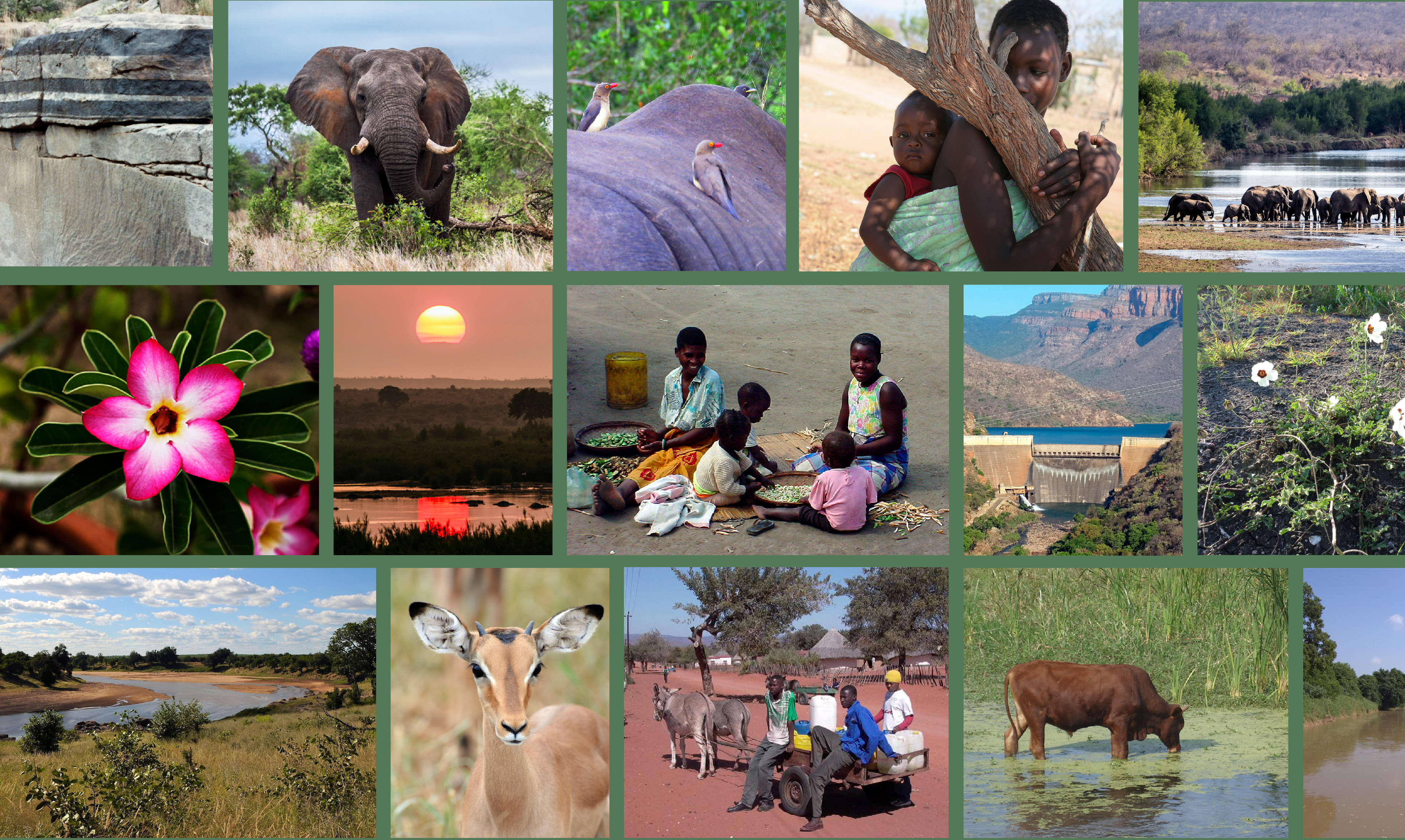
Limpopo River Basin – Changes, challenges and opportunities
The Limpopo River Basin: changes, challenges and opportunities is a collaborative initiative with the objective of providing evidence-based analyses on changes in the Limpopo River Basin, including their drivers and outcomes, so as to motivate policy action and the promotion of sustainable development. The Atlas is for use by policy makers, technical staff, planners and…
-
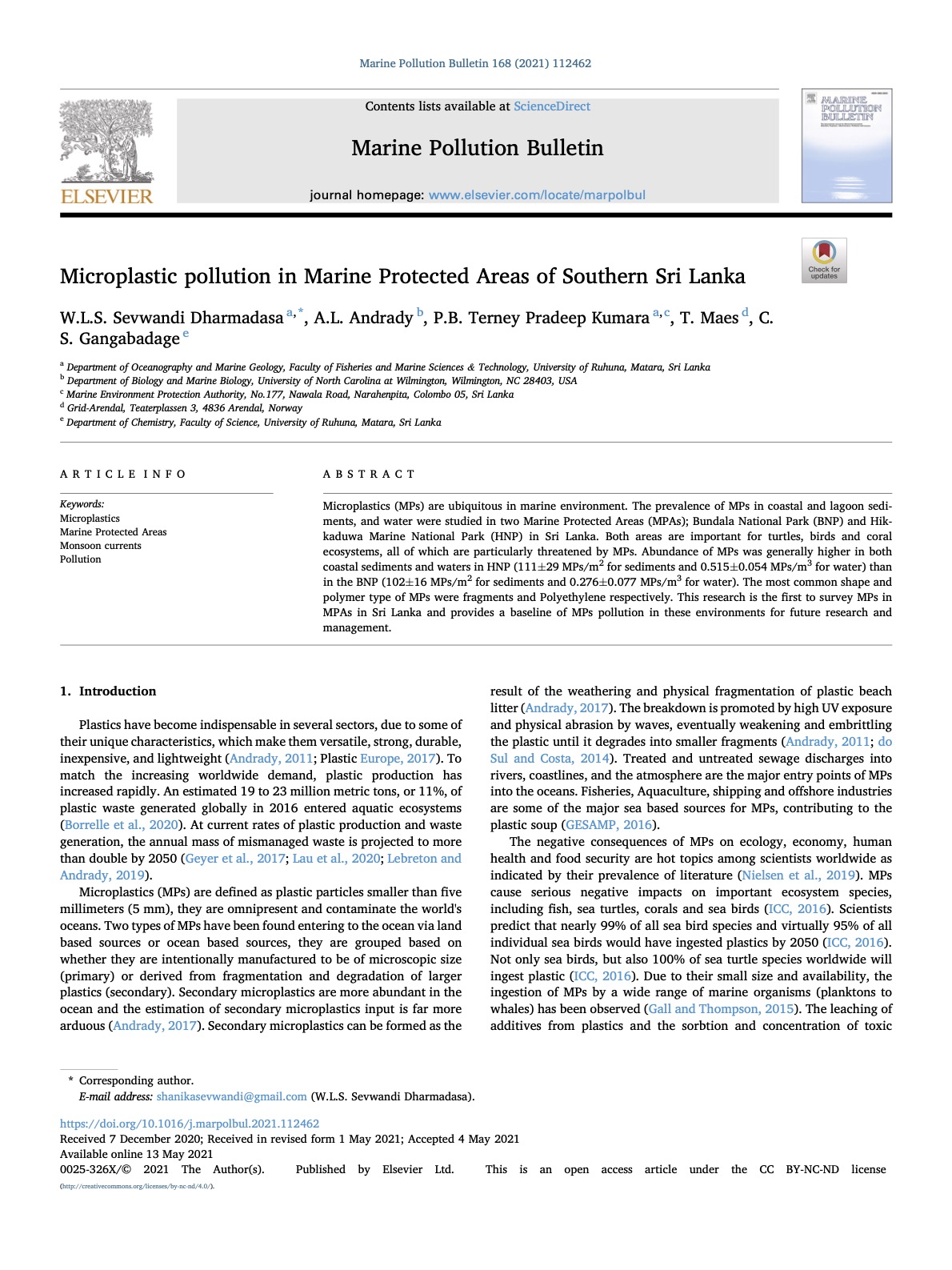
Microplastic pollution in Marine Protected Areas of Southern Sri Lanka
Microplastics were studied in coastal sand, water and lagoons in Marine Protected Areas (MPAs) in Southern Sri Lanka.
-
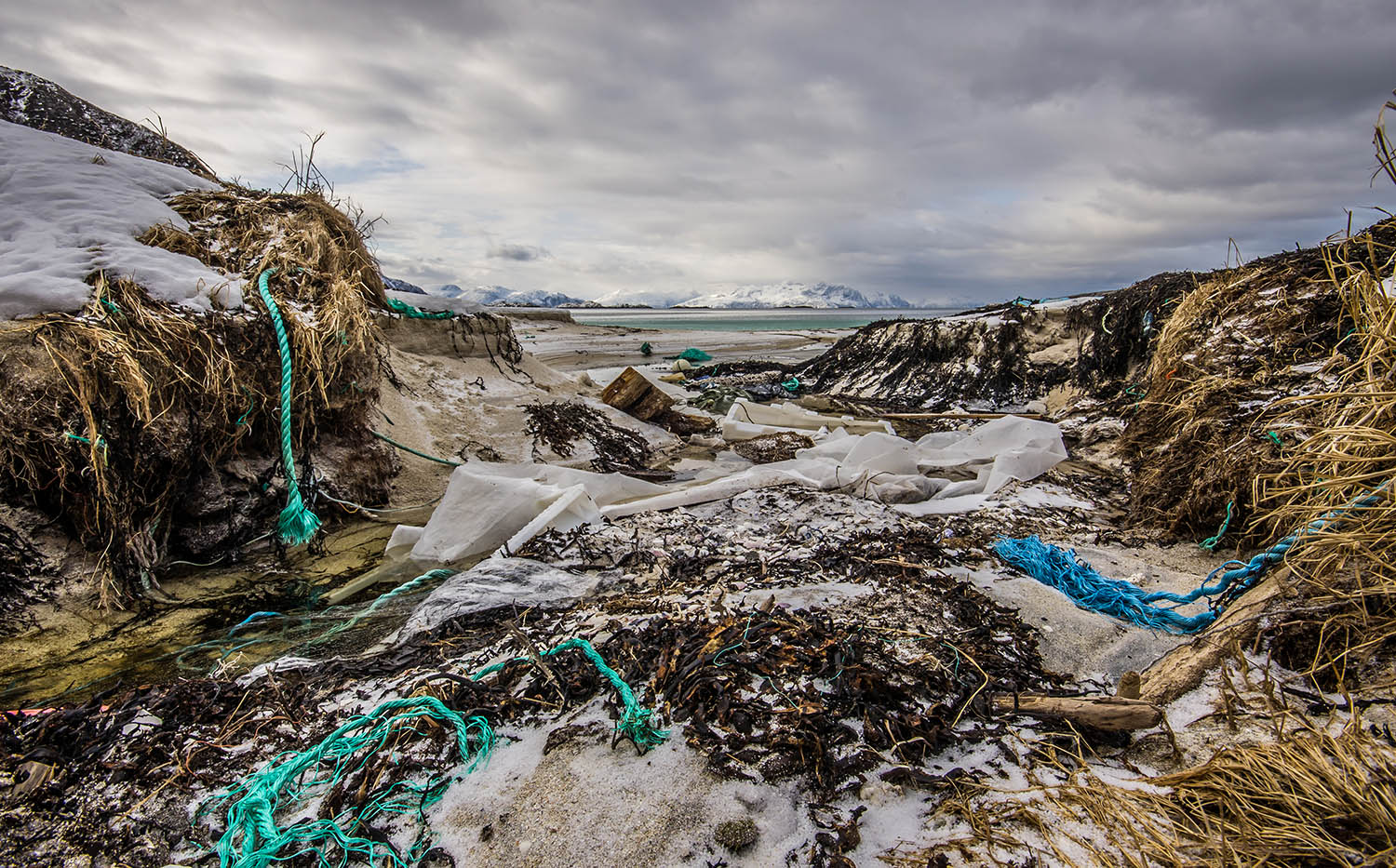
Exploring the Option of a New Global Agreement on Marine Plastic Pollution – A Guide to the Issues
Exploring the option of a new global agreement on marine plastic pollution – a guide to the issue
-

Indicators for Elevating Mountains in the Convention on Biological Diversity’s Post-2020 Global Biodiversity Framework
This brief highlights the indicators considered the most effective for safeguarding mountain biodiversity and ecosystem integrity.
-
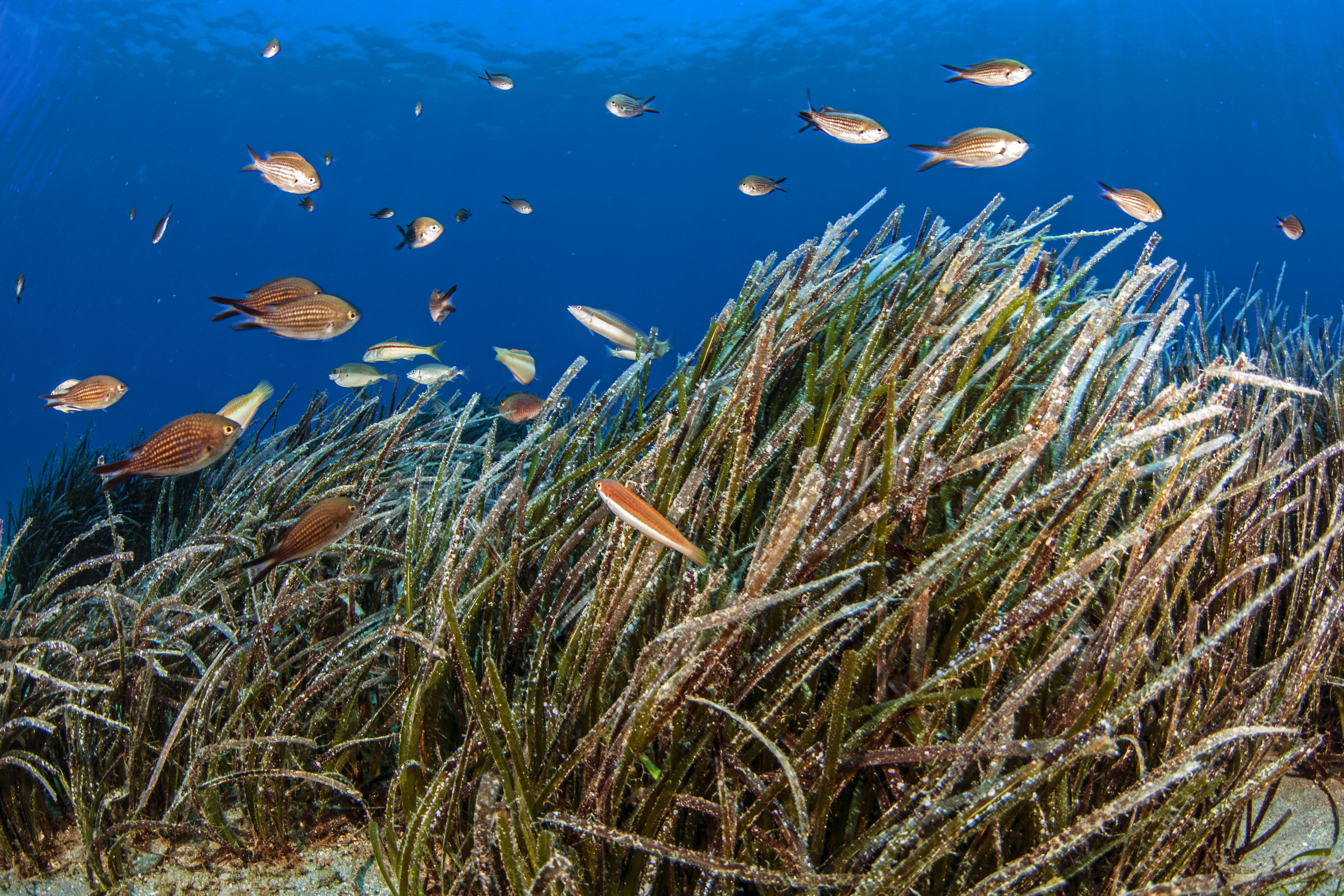
Landscape Mapping Blue Forests Policy in Norway
“Blue forests” are coastal and marine habitats that have the ability to store carbon and provide a range of important ecosystem services for coastal communities. Blue forests are considered integral ecosystems for biodiversity and the development of sustainable food sources and materials. Within Norway, interest in the blue forests concept is growing. However, the domestic…
-
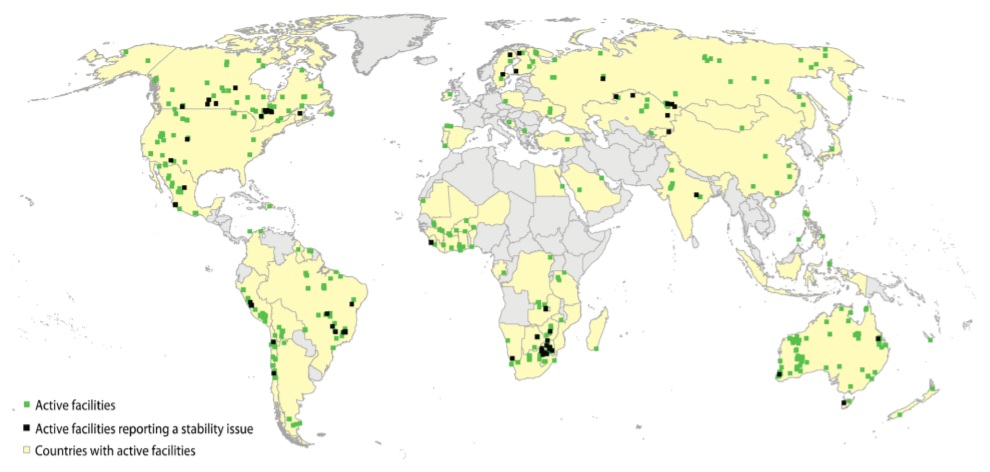
Tailings Facility Disclosures Reveal Stability Risks
Tailings facility failures represent a significant risk to the environment and communities globally, but until now little data was available on the global distribution of risks and characteristics of facilities to ensure proper governance. We conducted a survey and compiled a database with information on tailings facilities disclosed by extractive companies at the request of…
-

Sanitation and Wastewater Atlas of Africa
The Sanitation and Wastewater Atlas of Africa features extensive information on existing infrastructure and opportunities for improvement.
-
Meso- and microplastics monitoring in harbour environments: A case study for the Port of Durban, South Africa
An investigation into the abundance and distribution of meso- and microplastics within the Port of Durban.
-
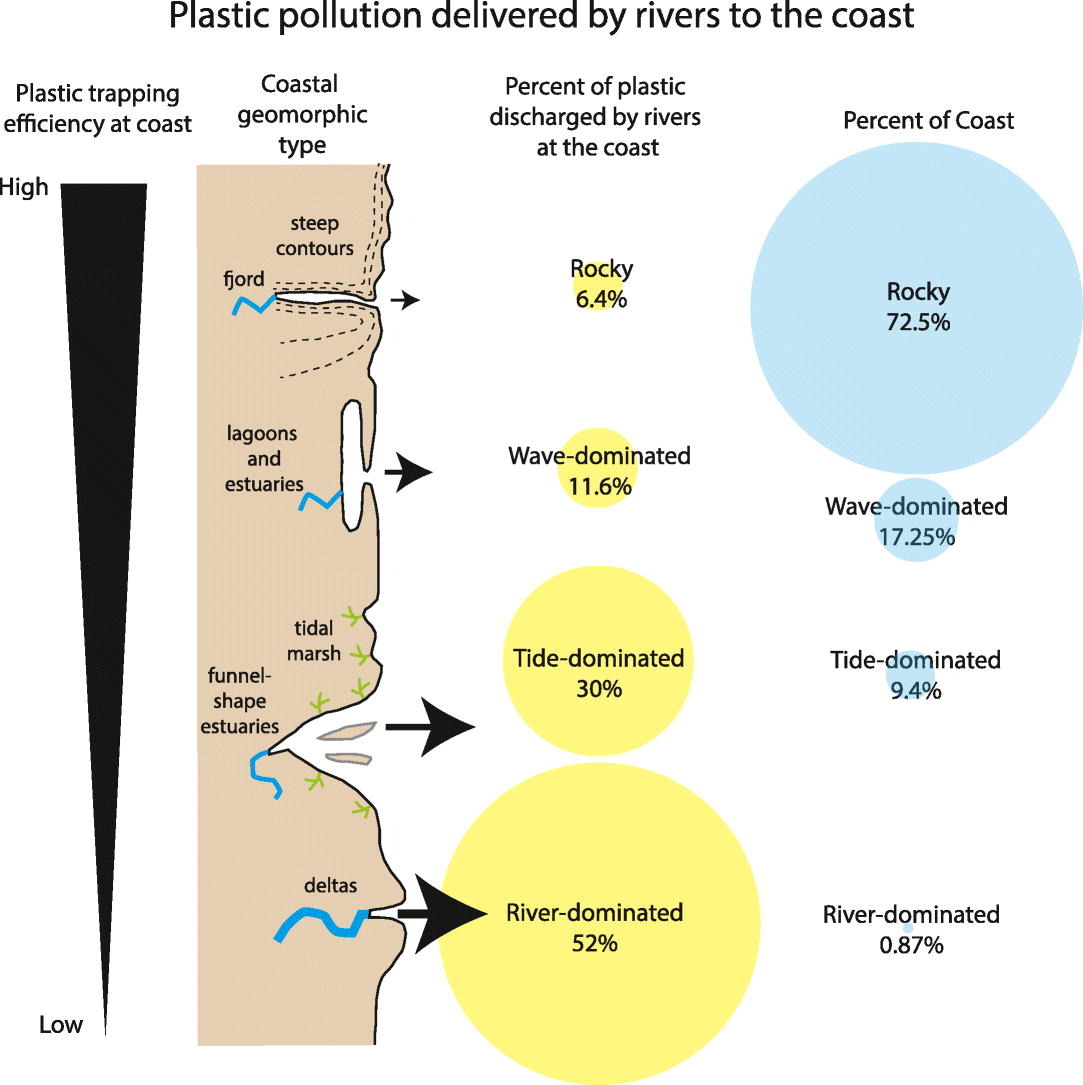
Exposure of coastal environments to river-sourced plastic pollution
Overlayed current existing information on the input of plastic to the sea from land-based sources with maps of coastal environments.
-

Getting Climate-Smart with the Royal Bengal Tiger in Bhutan
This brief is one of three in a series that also includes the mountain gorilla and the snow leopard, produced under the VT programme.
-

Getting Climate-Smart with the Snow Leopard in Central Asia
This brief is one in a series that also includes the mountain gorilla and the Royal Bengal tiger, produced under the VT programme.
-

Getting Climate-Smart with the Mountain Gorilla in the Greater Virunga Landscape
This brief is one of three in a series that also includes the snow leopard and Royal Bengal tiger, produced under the VT programme.
-
Gender in the modernisation of waste management: key lessons from fieldwork in Bhutan, Mongolia, and Nepal
Looking at how gender norms play an important role in current waste management practices and how gender equality is influenced.
-
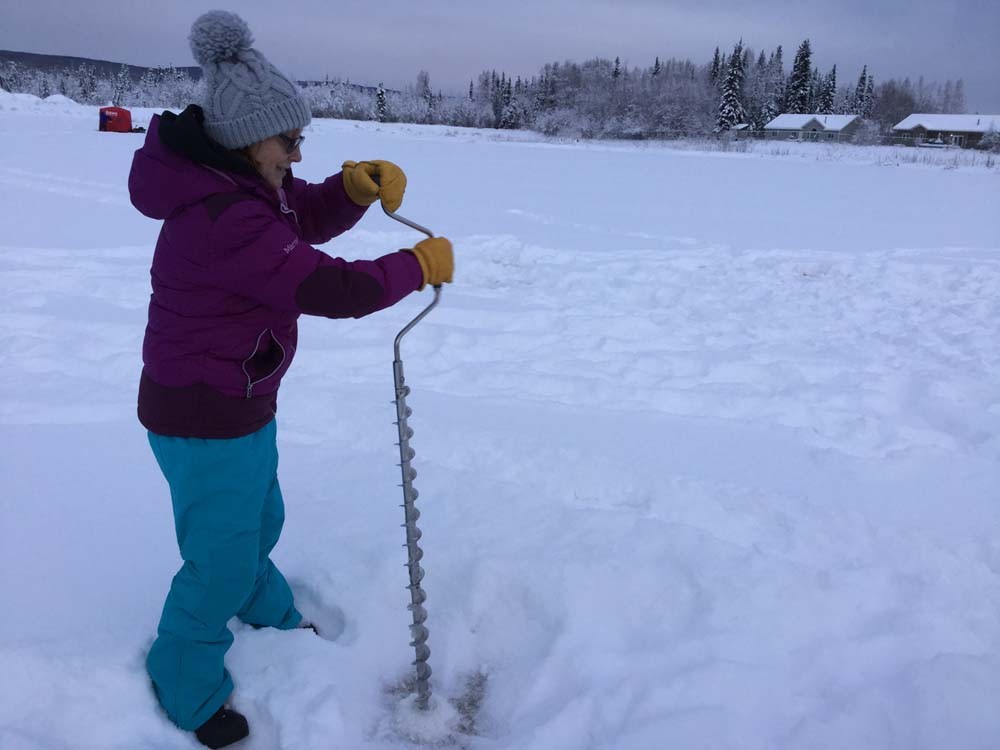
Building resilient Arctic science amid the COVID-19 pandemic
This comment looks forward to how Arctic science could be conducted in the future and during the COVID-19 pandemic.
-
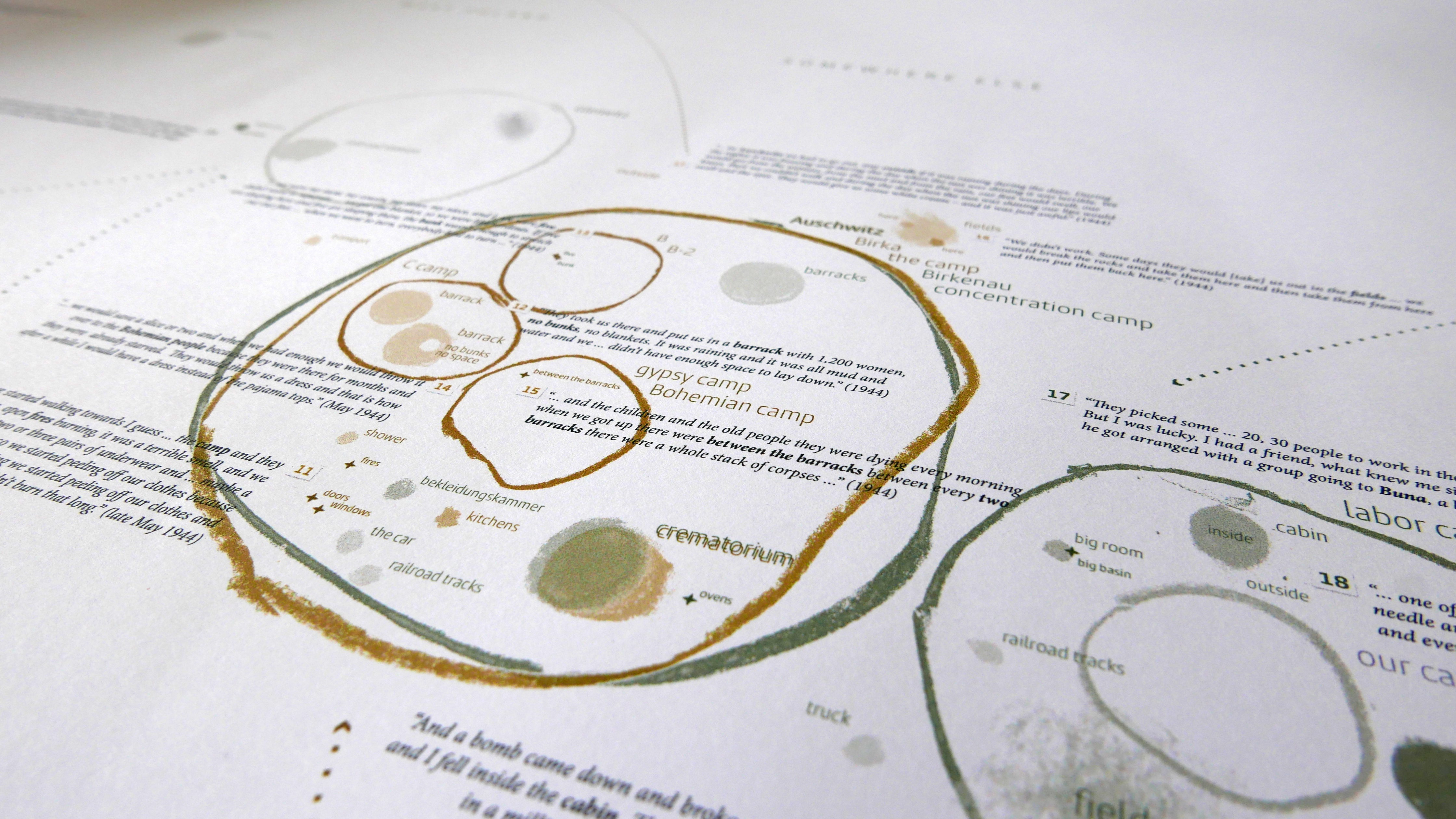
Loosening the grid: topology as the basis for a more inclusive GIS
This article explains how challenges posed by Holocaust survivor testimony inspired inductive spatial analysis & non-coordinate mapping.
-
Depositional and Erosional Signatures in Sedimentary Successions on the Continental Slope and Rise off Prydz Bay, East Antarctica– Implications for Pliocene Paleoclimate
The Prydz Bay region of Antarctica is the immediate recipient of ice and sediments transported by the Lambert Glacier, the single largest outflow from the East Antarctic Ice Sheet. The continental slope and rise provide records covering multiple glacial cycles and containing paleoclimatic information. Marine geological and geophysical data collected from the continental shelf and…
-
First marine litter survey on beaches in Solomon Islands and Vanuatu, South Pacific: Using OSPAR protocol to inform the development of national action plans to tackle land-based solid waste pollution
The increasing abundance of marine litter is impacting the environment, human health and economies in the South Pacific. Small Islands Developing States are particularly affected by marine litter, primarily due to insufficient waste management systems. For the first time, marine litter was quantified and characterised on 13 beaches in Solomon Islands and Vanuatu in the…
-
Microplastics in Commercially Important Small Pelagic Fish Species From South Africa
This study documented the levels of microplastics in three commercially important small pelagic fish species in South African waters, namely European anchovy (Engraulis encrasicolus), West Coast round herring (Etrumeus whiteheadi) and South African sardine (Sardinops sagax). Data suggested variation between species with a higher concentration of microplastics for S. sagax (mean of 1.58 items individual–1)…
-
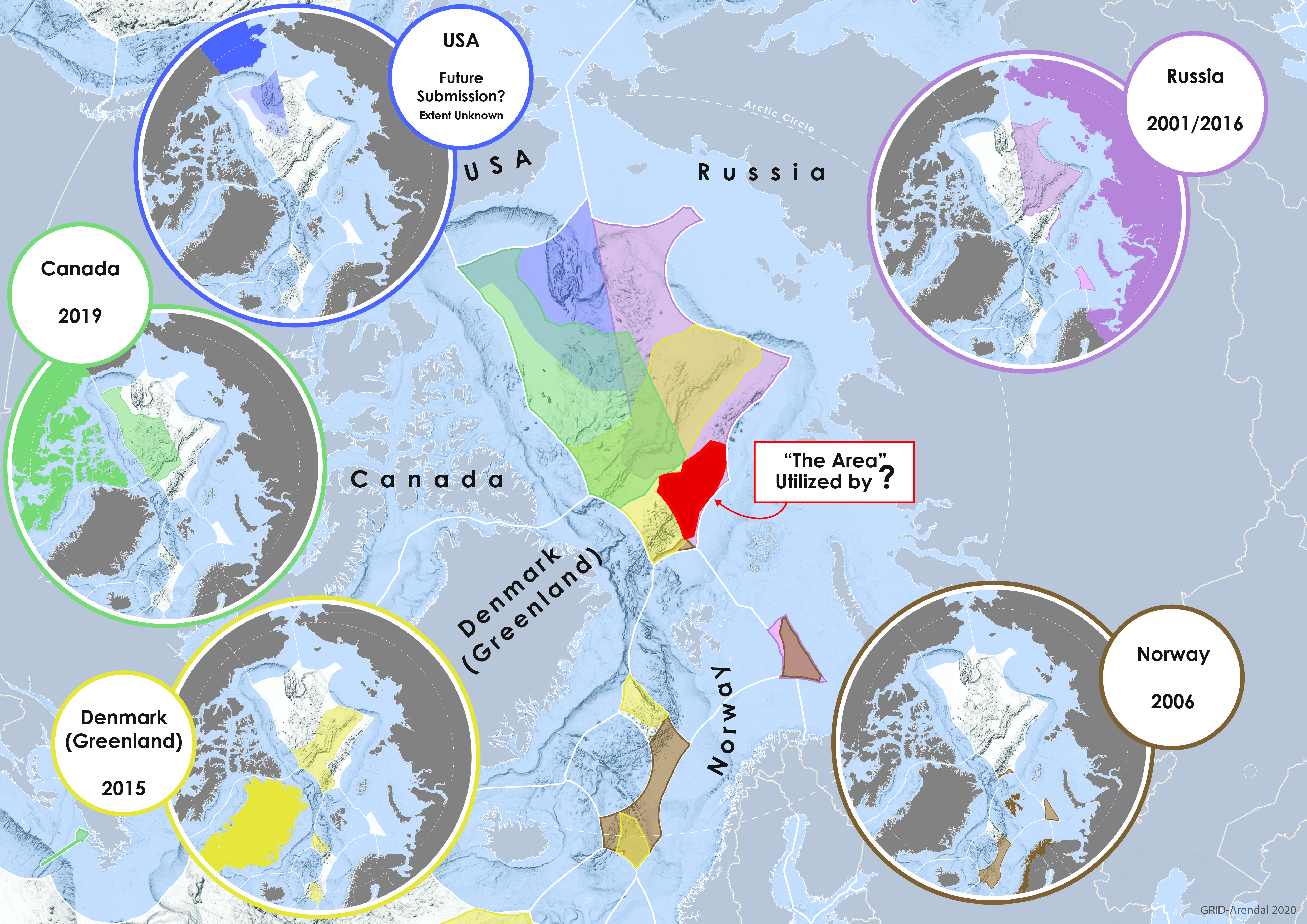
Adding a Gakkel Ridge regime to the evolving Arctic Ocean governance complex
A part of the Arctic Ocean could become subject to mineral exploitation by non Arctic States.
-
Microplastics Pollution and Regulation
Microplastics pollution of terrestrial and marine environmental compartments is an issue of concern worldwide, but information on the key sources, pathways, distribution, and impacts is still scarce in many cases, fragmentary at best, and typically difficult to compare owing to a lack of harmonization in methodologies. In this chapter, we present the latest evidence of…
-

Coastal and Offshore Permafrost in a Changing Arctic
This Rapid Response Assessment (RRA) raises awareness about the importance of coastal permafrost and identifies urgent research needs.
-
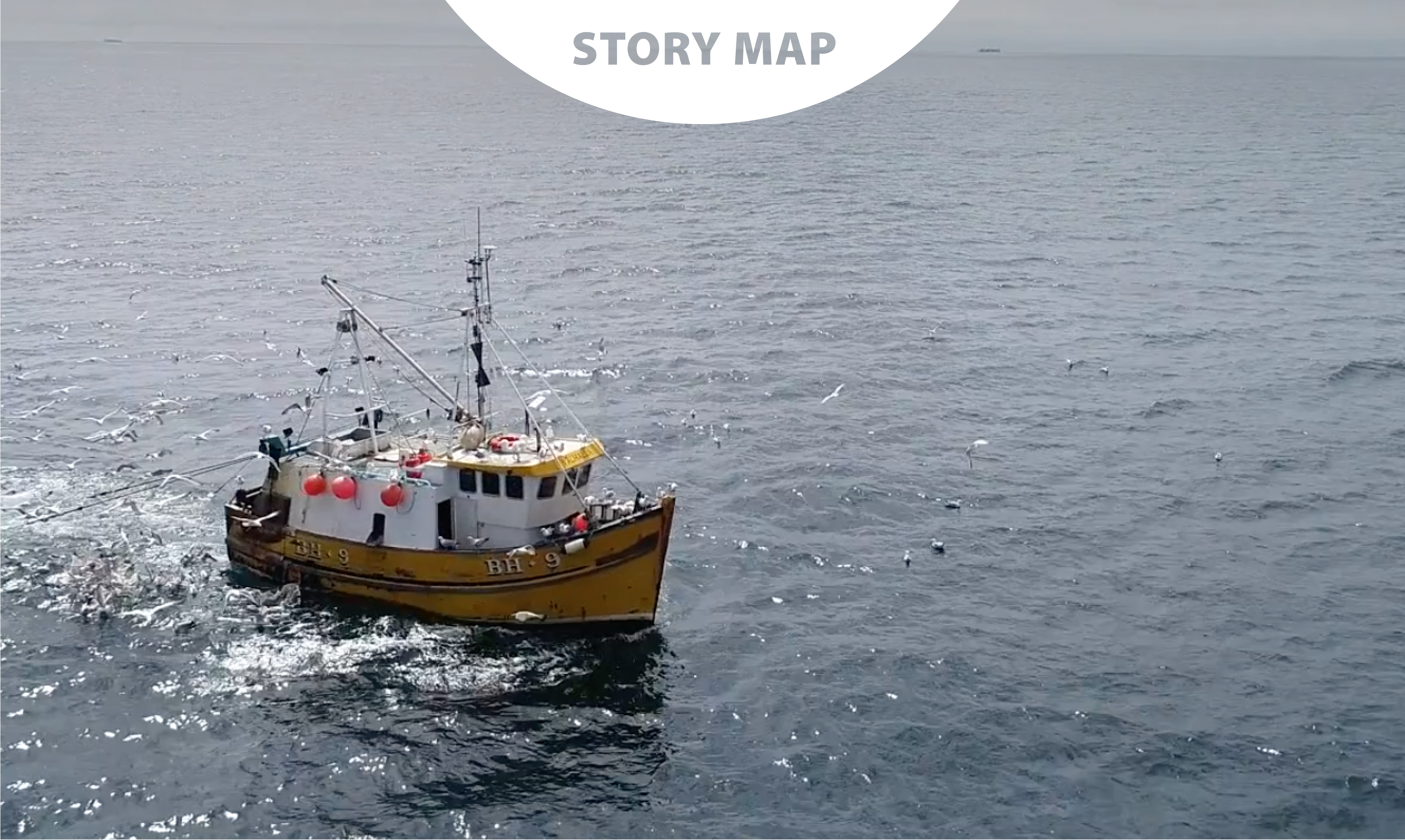
A sea under pressure: Bottom trawling impacts in the Baltic
This story map is meant as a platform to raise awareness around the potential impacts of bottom trawling in the Baltic Sea and to ensure…
-

The Little Book of Green Nudges
This concise, user-friendly book explains how to “nudge” students and others on university campuses towards more sustainable behaviour.
-
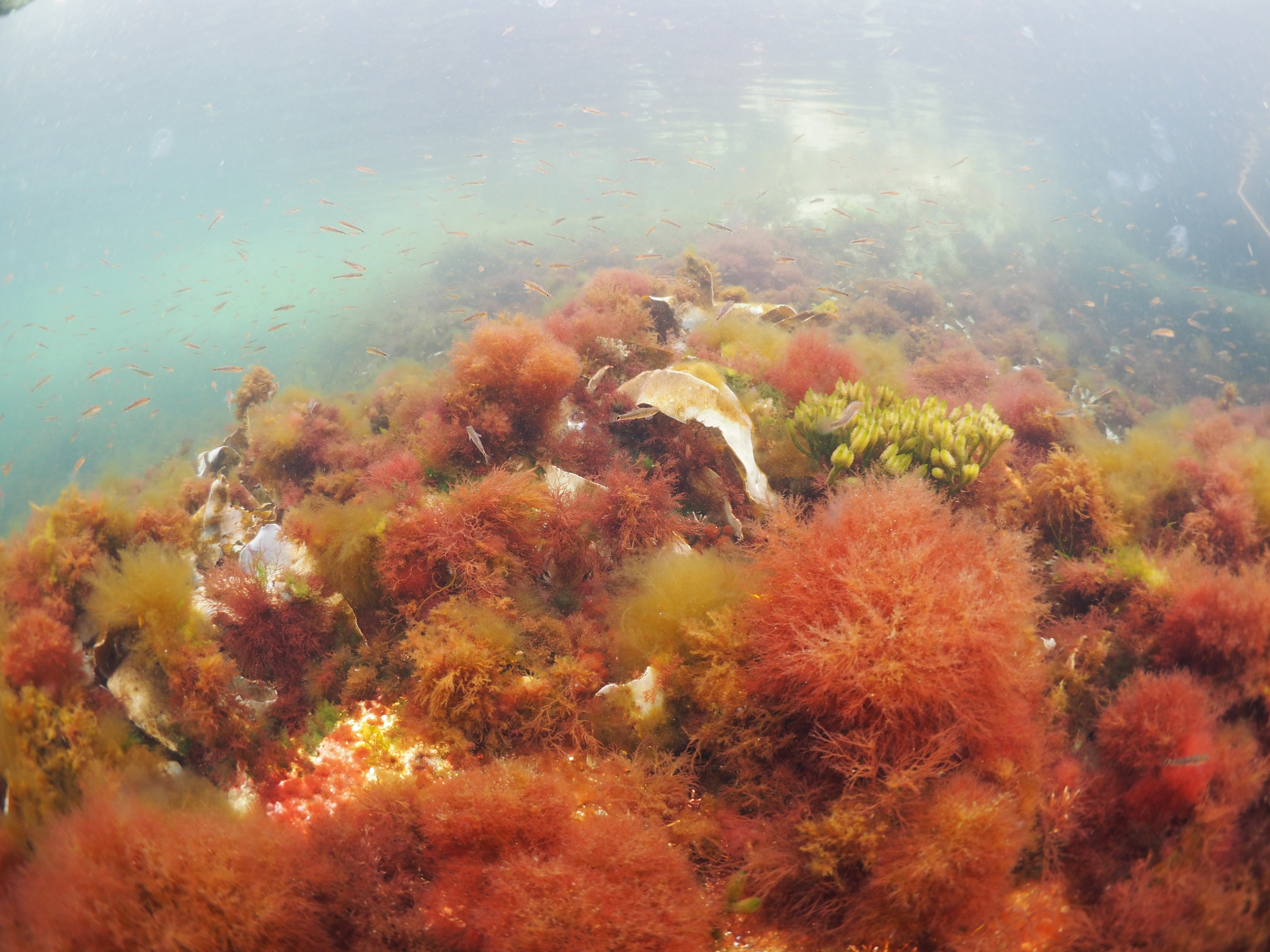
Norwegian Blue Forests Network (NBFN)
Highlights from the Norwegian Blue Forests Network in 2019