
Publications
Our publications include more than traditional reports. They span formats such as StoryMaps, apps, photo essays and multimedia. Each one is designed to communicate complex environmental challenges in ways that are visual, engaging, and grounded in real-world impact.
-

Pocket Guide to the BRS Gender Action Plan: Integrating a Gender Perspective in the Sound Management of Chemicals and Waste
Integrating a gender perspective in the sound management of chemicals and waste
-
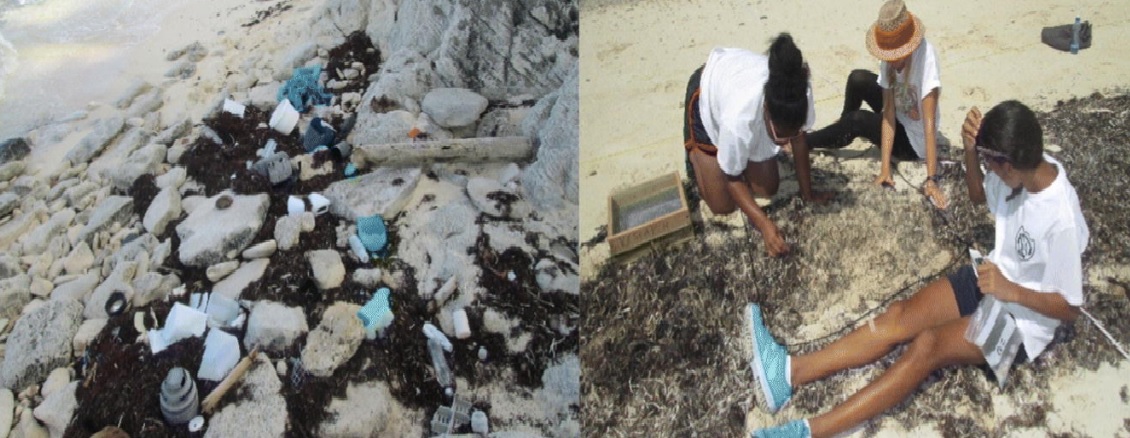
Spatial Trends and Drivers of Marine Debris Accumulation on Shorelines in South Eleuthera, The Bahamas Using Citizen Science
This study measured spatial distribution of marine debris stranded on beaches in South Eleuthera, The Bahamas. Citizen science, fetch modeling, relative exposure index and predictive mapping were used to determine marine debris source and abundance. Citizen scientists quantified debris type and abundance on 16 beaches within three coastal exposures (The Atlantic Ocean, Great Bahama Bank…
-
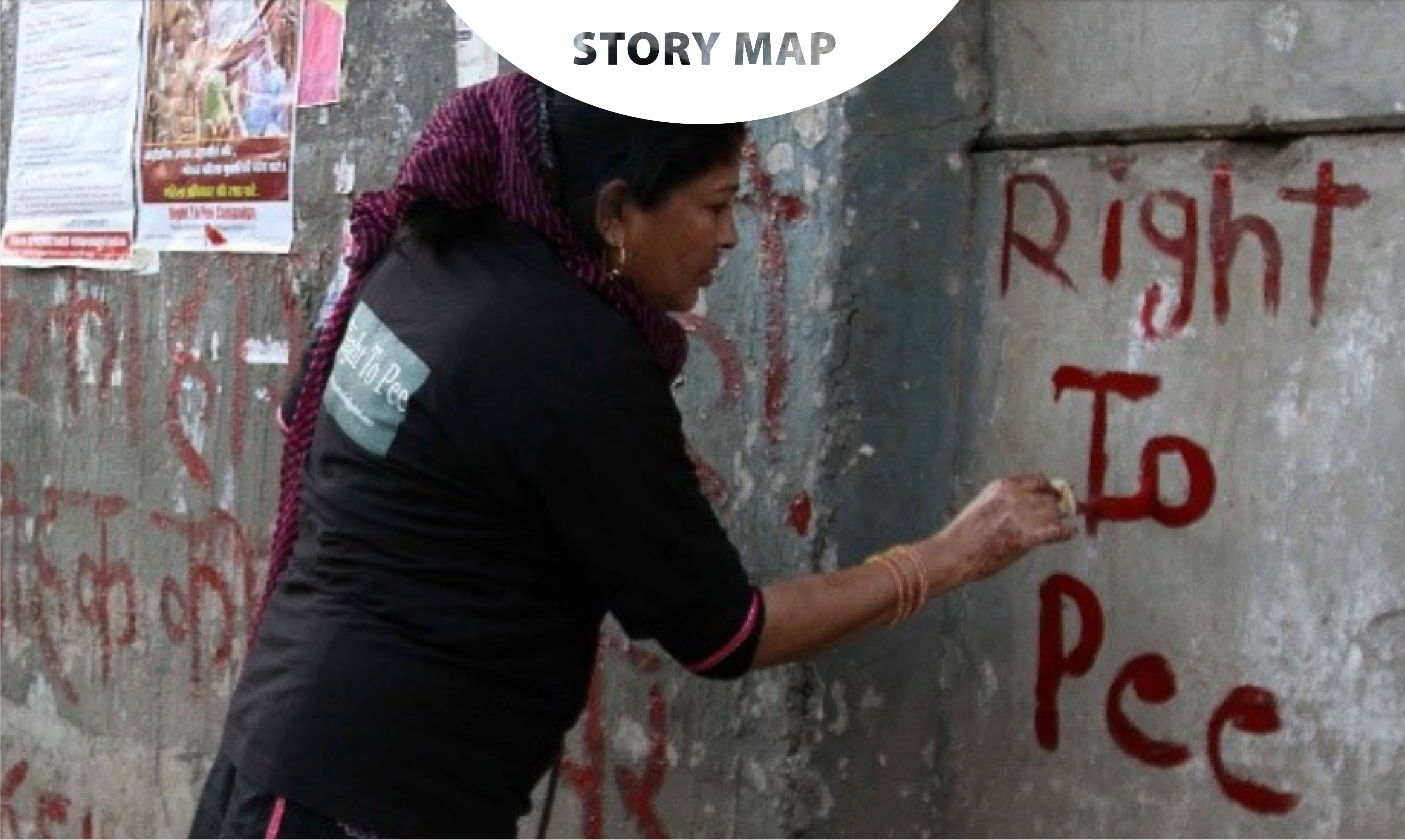
What’s Gender Got to do with it? Global Gender & Environment Outlook – Water & Sanitation
This story map on water & sanitation explores just some of the findings of GGEO. Access to and provision of clean water and safe…
-
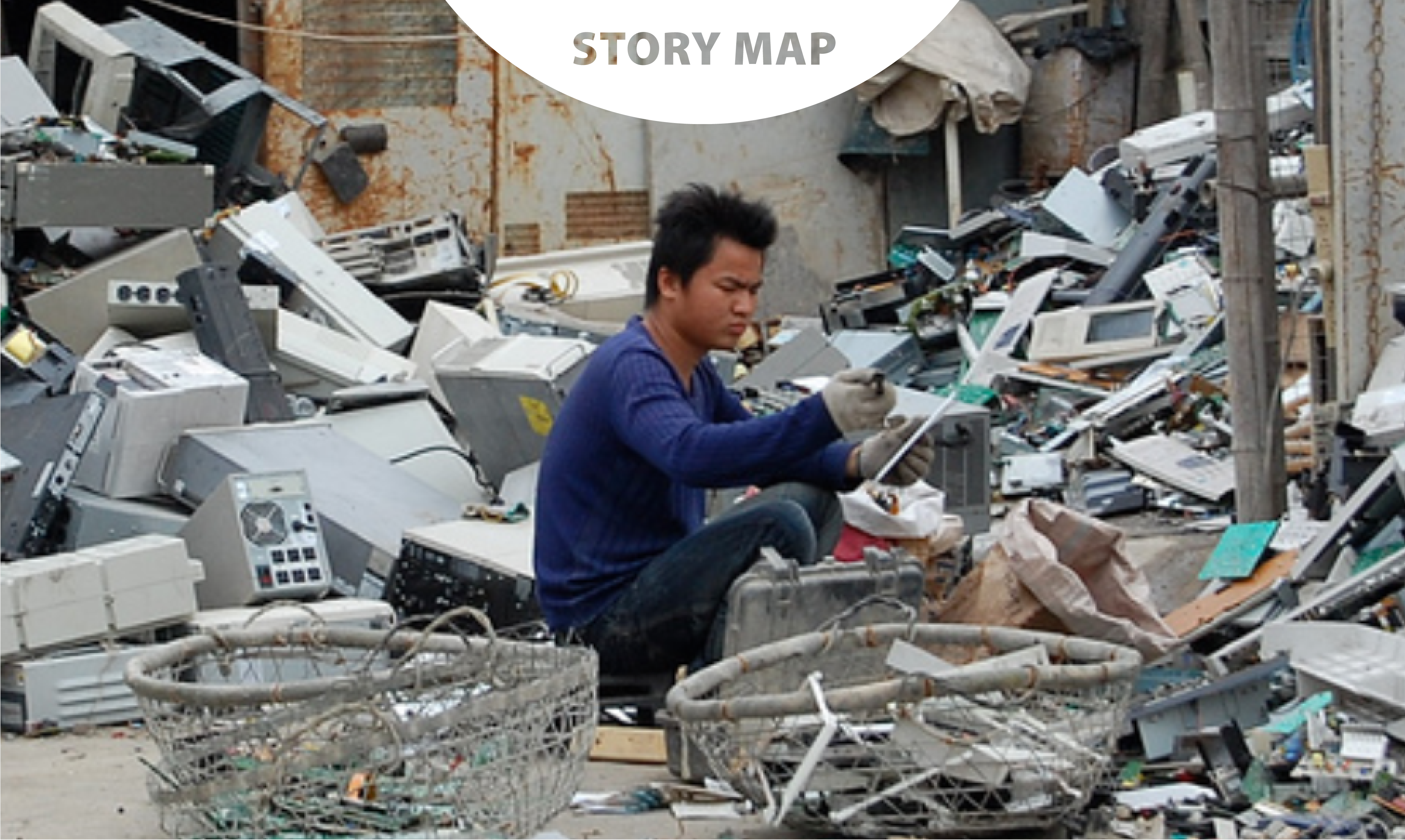
What’s Gender Got to Do with it? Global Gender & Environment Outlook – Consumption & Waste
This story map on consumption and waste explores just some of the findings of GGEO. Controlling the ecological effects of excess…
-
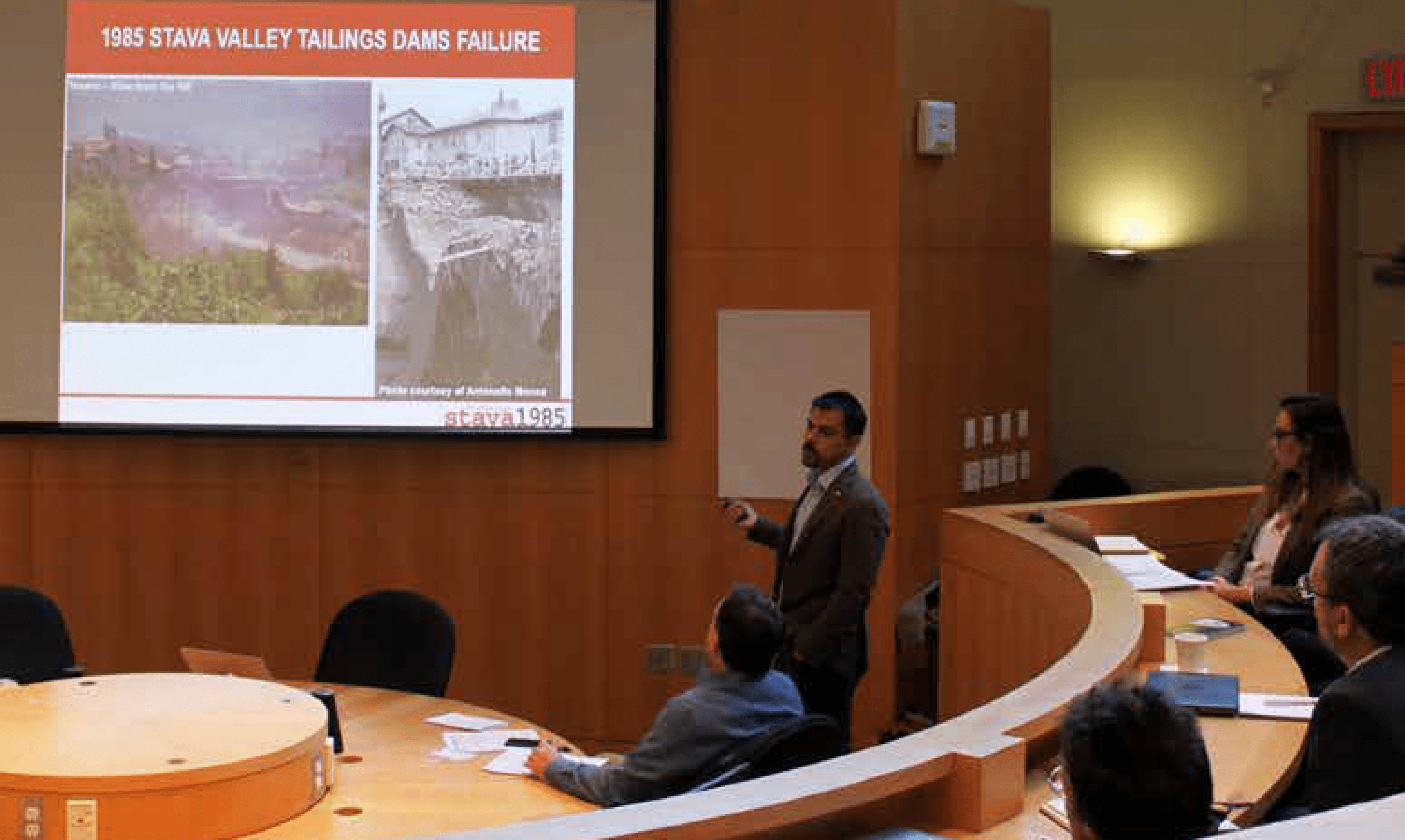
A Roadmap for Improved Mine Waste Management: Summary Report of the Workshop on Mine Waste
Summary report of the workshop on mine waste. Report from multi-stakeholder forum helps progress recommendations on tailings dam safety.
-
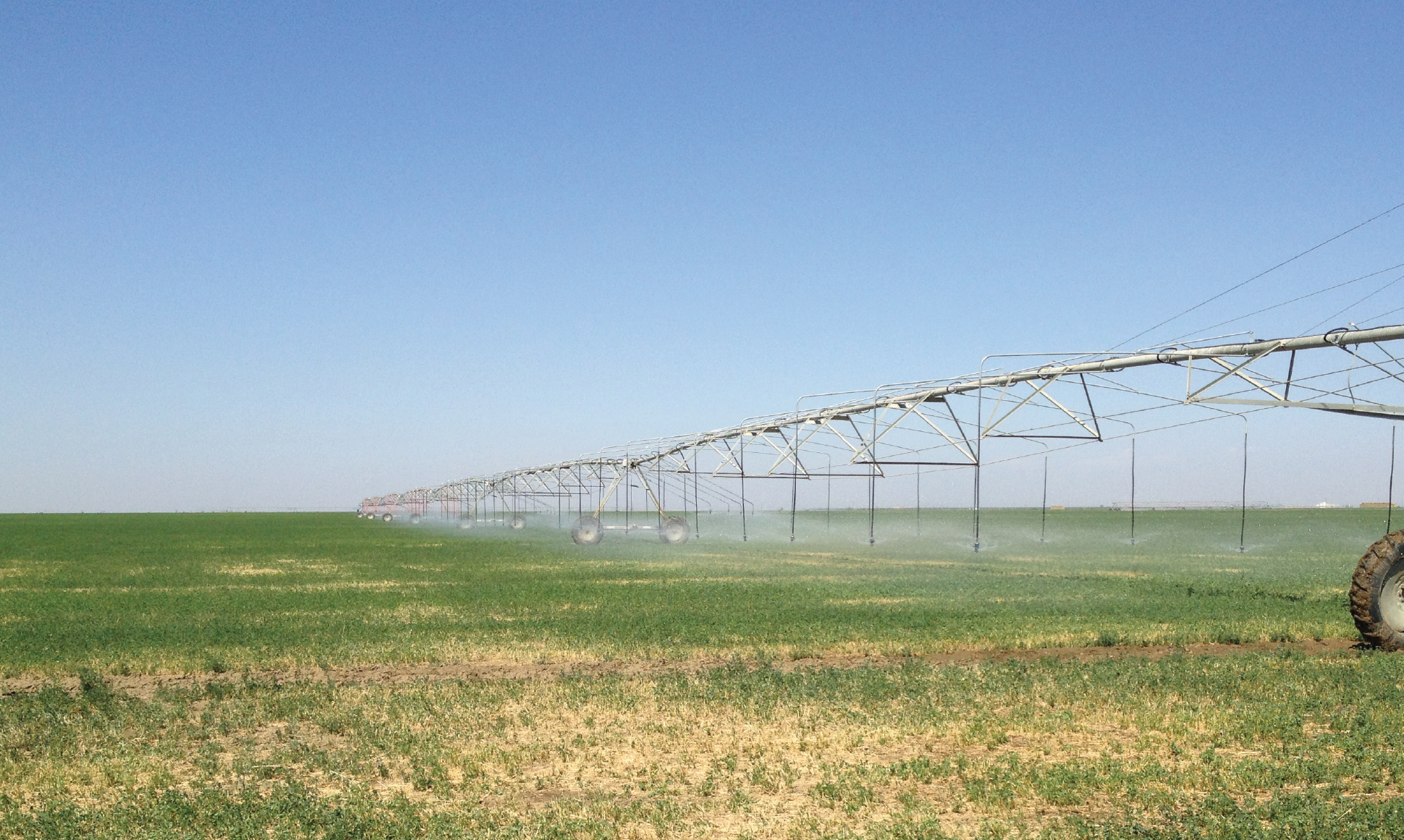
Evolving Roles of Blue, Green, and Grey Water in Agriculture
Due to its multiple uses, water is a highly competed‐for resource.
-

Marine Atlas: Maximizing Benefits for Fiji
In Fiji, the area of ocean is 70 times larger than the land territory. With an exclusive economic zone of approximately 1.29 million km2.
-

Marine Atlas: Maximizing Benefits for Solomon Islands
This island nation contains many marine ecosystems, from globally significant coral reefs to mangroves, seagrass areas, seamounts and…
-

Marine Atlas: Maximizing Benefits for Kiribati
Kiribati contains many marine ecosystems, from globally significant coral reefs to mangroves, seagrass areas, seamounts and deep-sea…
-

Marine Atlas: Maximizing Benefits for Tonga
Tonga contains many marine ecosystems, from globally significant coral reefs to mangroves, seagrass areas, seamounts and deep-sea…
-

Marine Atlas: Maximizing Benefits for Vanuatu
Vanuatu contains many marine ecosystems, from globally significant coral reefs to mangroves, seagrass areas, seamounts and deep sea…
-

Playing for the Planet: How Video Games Can Deliver for People and the Environment
How can the fastest growing media platform in the world be harnessed to deliver on the Sustainable Development Goals and the urgent…
-

Global Linkages: A Graphic Look at the Changing Arctic (rev.1)
The Arctic region is being affected by multiple pressures and drivers of change both from within and outside the region…
-
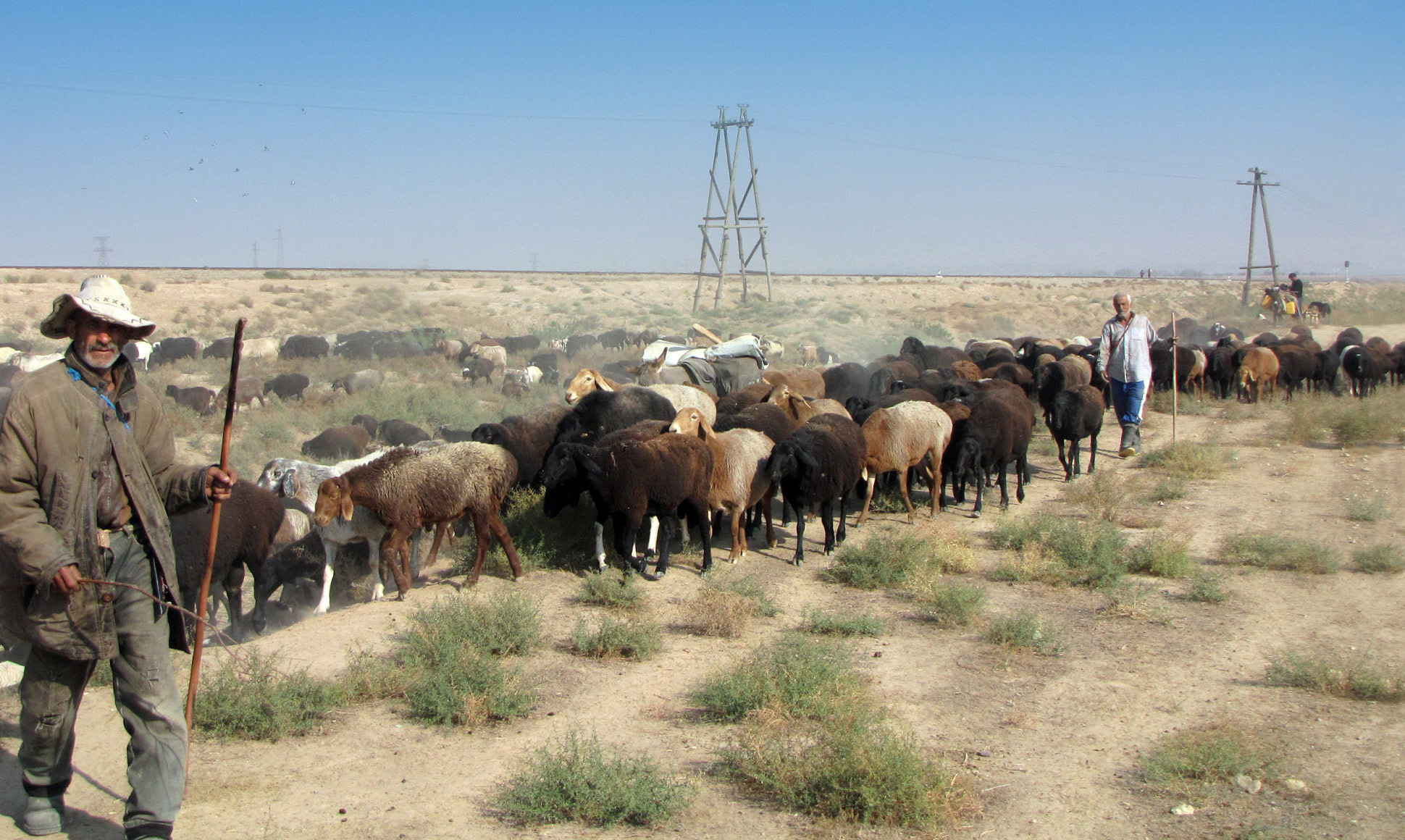
A Case of Benign Neglect: Knowledge Gaps About Sustainability in Pastoralism and Rangelands
Pastoralism and rangelands are globally significant, but under-recognized and undervalued.
-
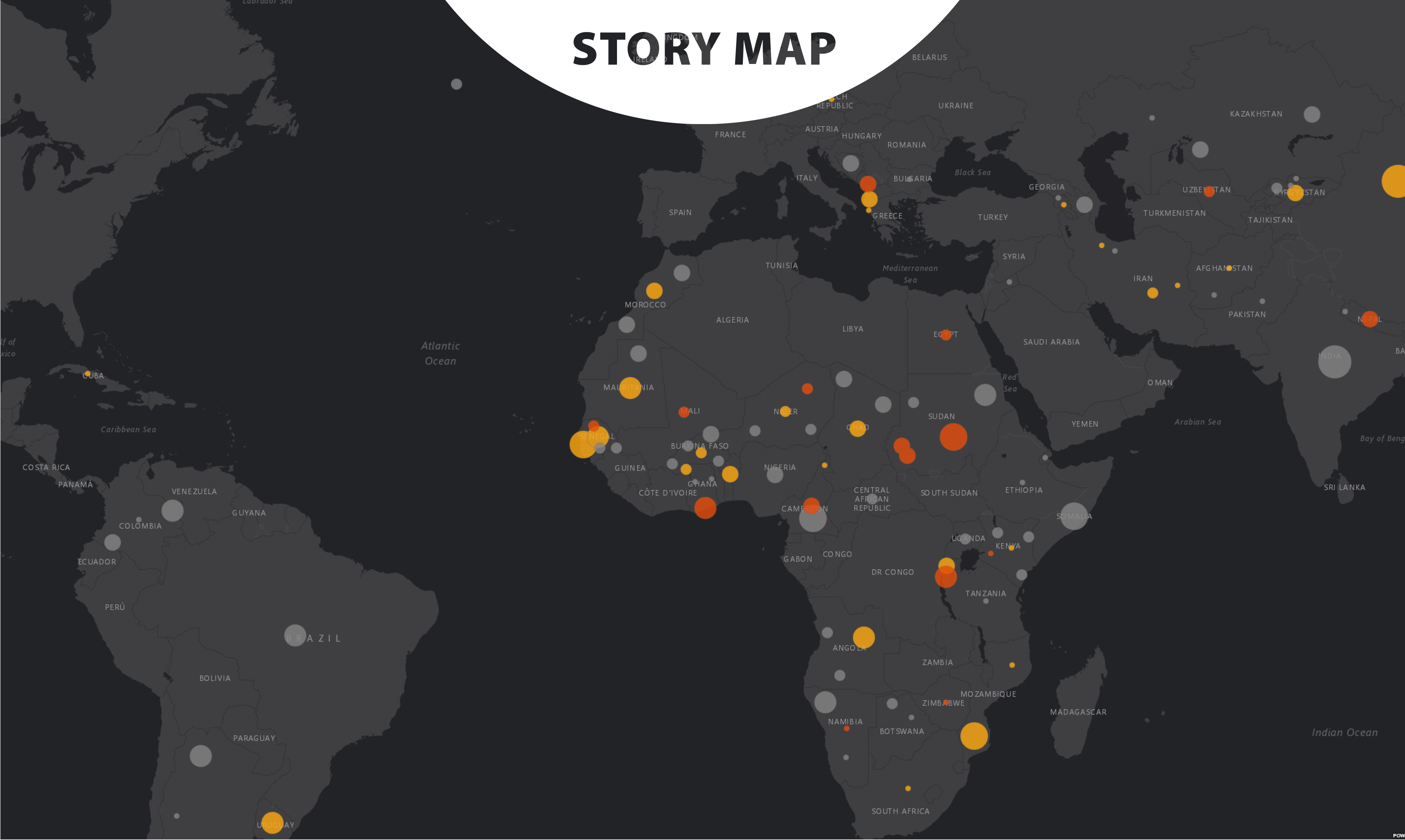
A Case of Benign Neglect
This story map presents the main findings and recommendations of a study addressing information gaps on pastoralists and rangelands.
-

Global Environment Outlook (GEO-6): Healthy Planet, Healthy People
GRID-Arendal staff co-authored chapters 4 (Cross-cutting Issues), 7 (Oceans and Coasts) and 14 (Oceans and Coastal Policy).
-
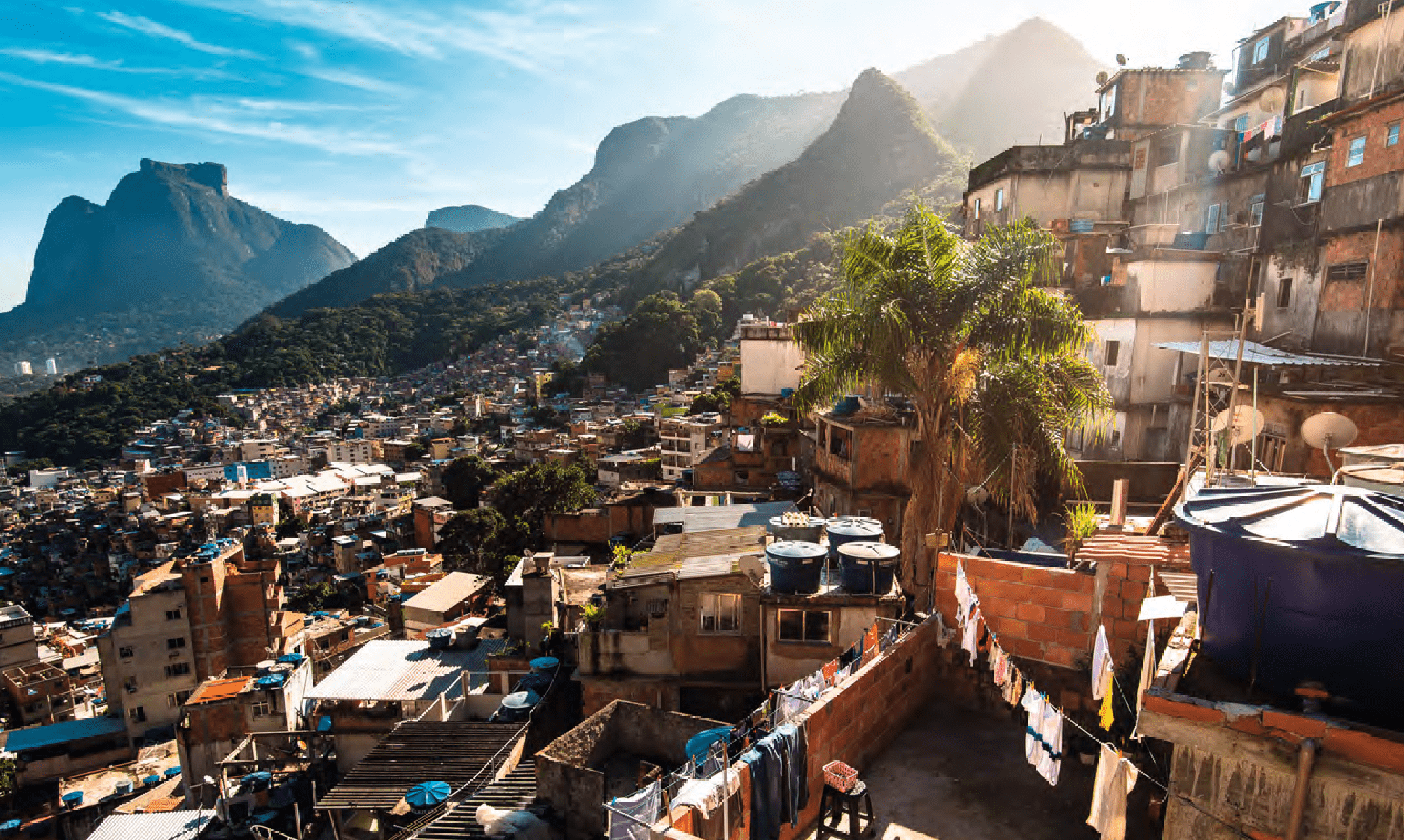
GEO-6 Chapter 4: Cross-Cutting Issues
As understanding of the interdependence between a healthy planet and healthy people becomes more developed, complex issues that thread through systems and societies gain new importance. Beyond the traditional Global Environment Outlook (GEO) themes addressing air, biodiversity, oceans, land and fresh water, this GEO-6 assessment addresses cross-cutting issues worthy of further examination.
-
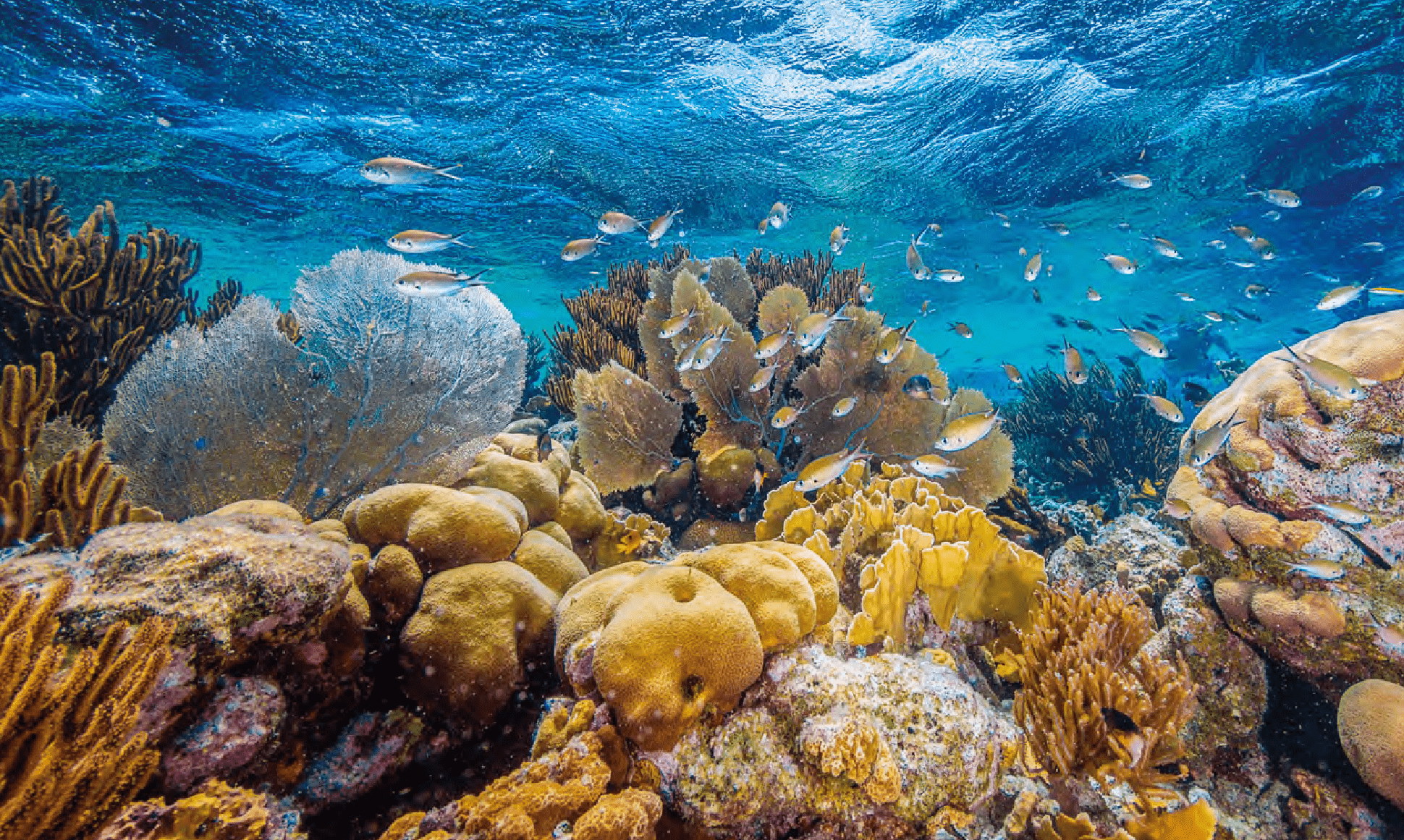
GEO-6 Chapter 7: Oceans and Coasts
Oceans have many uses, and there are too many linkages among marine ecosystems and between the land and adjacent seas to review them all in this chapter. The First Global Integrated Marine Assessment (A/RES/70/235; Inniss and Simcock eds. 2016) and reports of the Intergovernmental Panel on Climate Change (IPCC 2013) have provided recent comprehensive reviews…
-
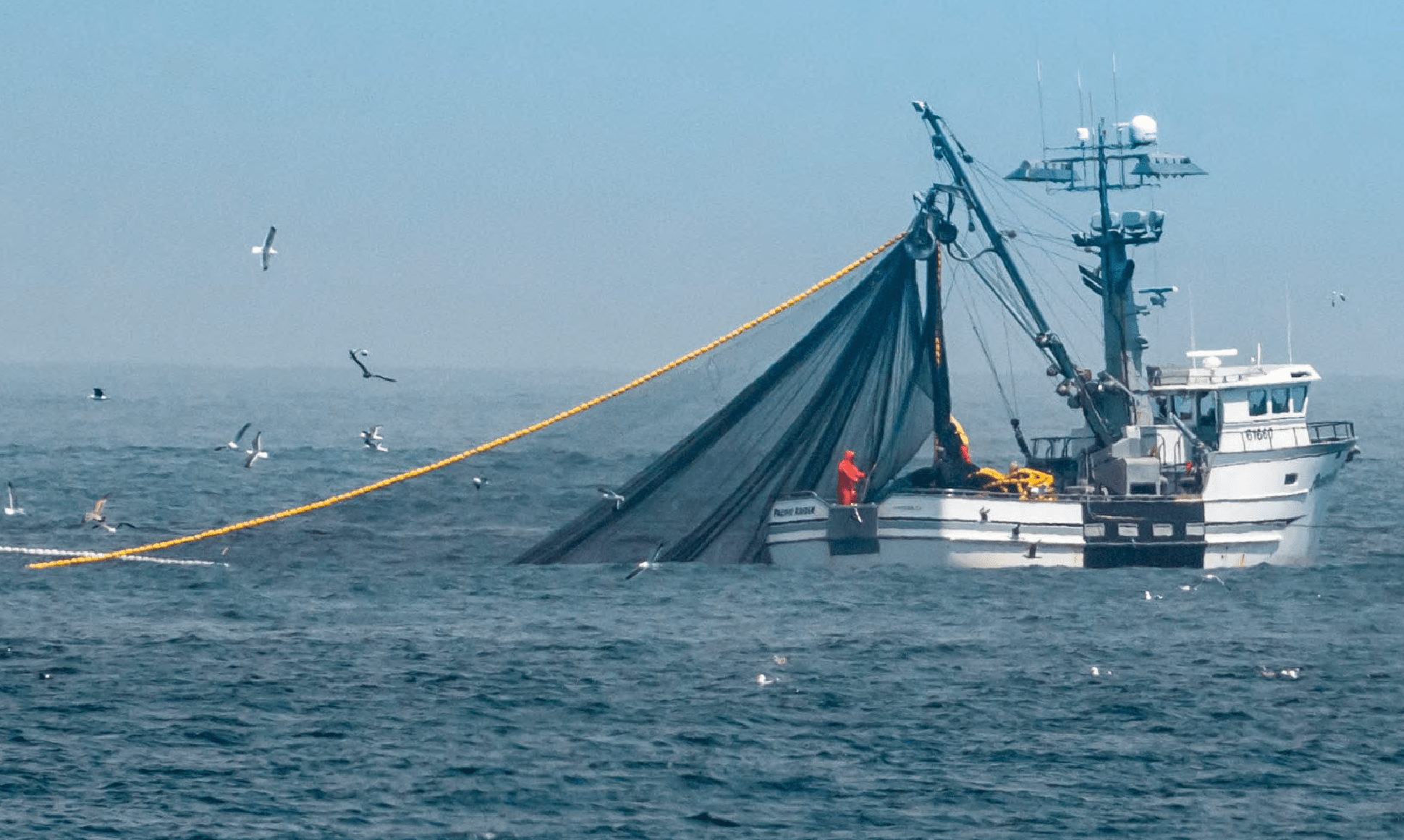
GEO-6 Chapter 14: Oceans and Coastal Policy
The impacts of human activities on the oceans have serious social and economic implications, which directly and indirectly affect human health and well-being. As noted in chapter 7 of this report, impacts of great concern include those associated with climate change, pollution and overfishing. Coral bleaching is perhaps one of the most dramatic and immediate…
-
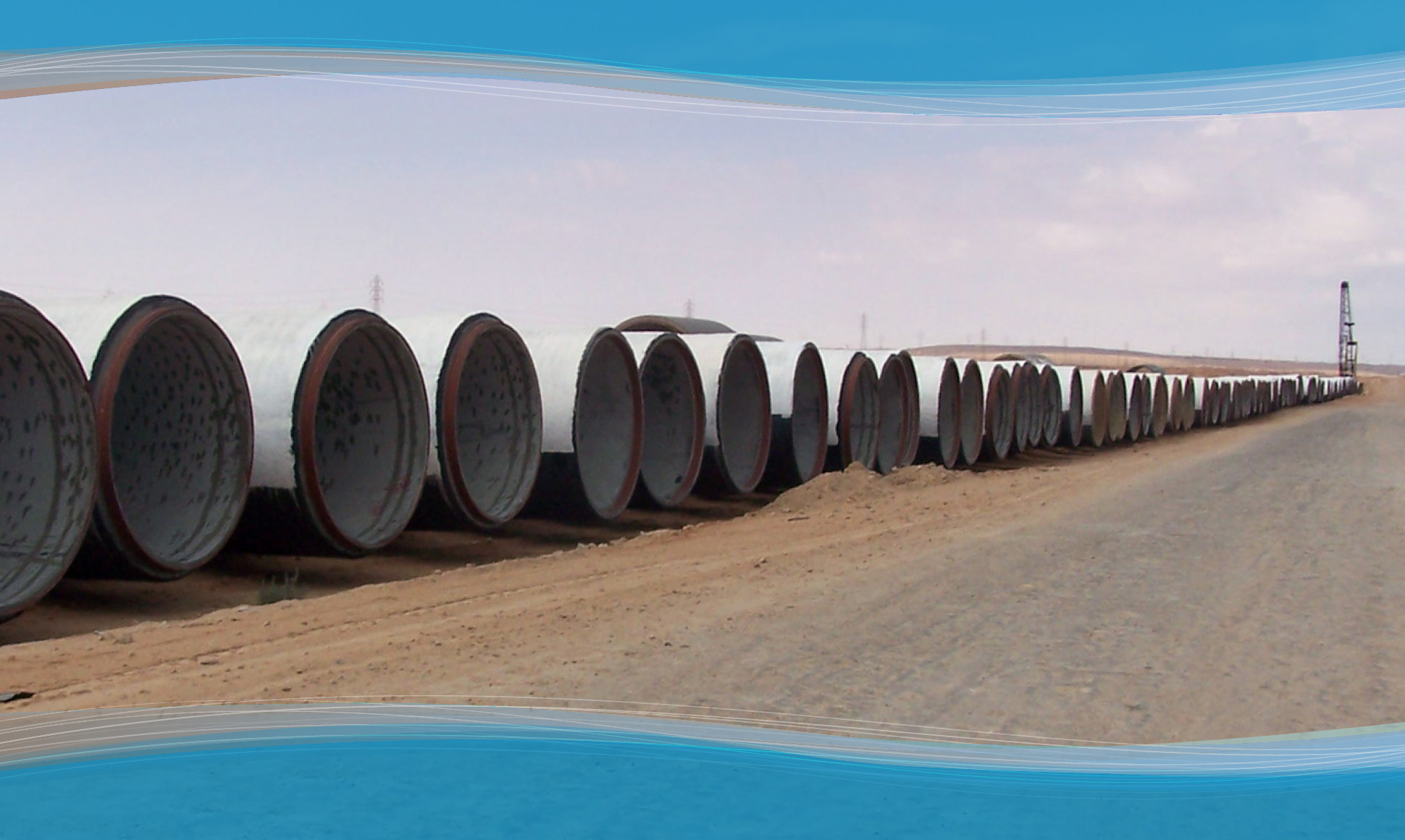
Policy Framework on African Wastewater Management and Sanitation Provision
The Africa Water Vision 2025 was developed asthe response and policy framework to address the key challenges facing the water sector.
-
Existing Global Marine Protected Area Network is not Representative or Comprehensive Measured Against Seafloor Geomorphic Features and Benthic Habitats
The Aichi targets of the Convention on Biological Diversity leverage the use of protected areas to halt the loss of global biodiversity. Target 11 recommends that ecologically representative portions (10%) of important coastal and marine areas be set aside within MPAs. Despite global progress in attaining the 10% target, few areas are set aside with…
-
A Review of Data Storage and Sharing Options for the SouthEast Pacific to Support Area-Based Planning in Areas Beyond National Jurisdiction
Human activities occurring in Areas Beyond National Jurisdiction (ABNJ) are mainly managed through sectoral measures. Currently, there are limited mechanisms to bring the data and information required by these different sectoral management bodies together. Additionally, there are both legal and geographic gaps in the management of human activities in ABNJ. This has potential for management…
-
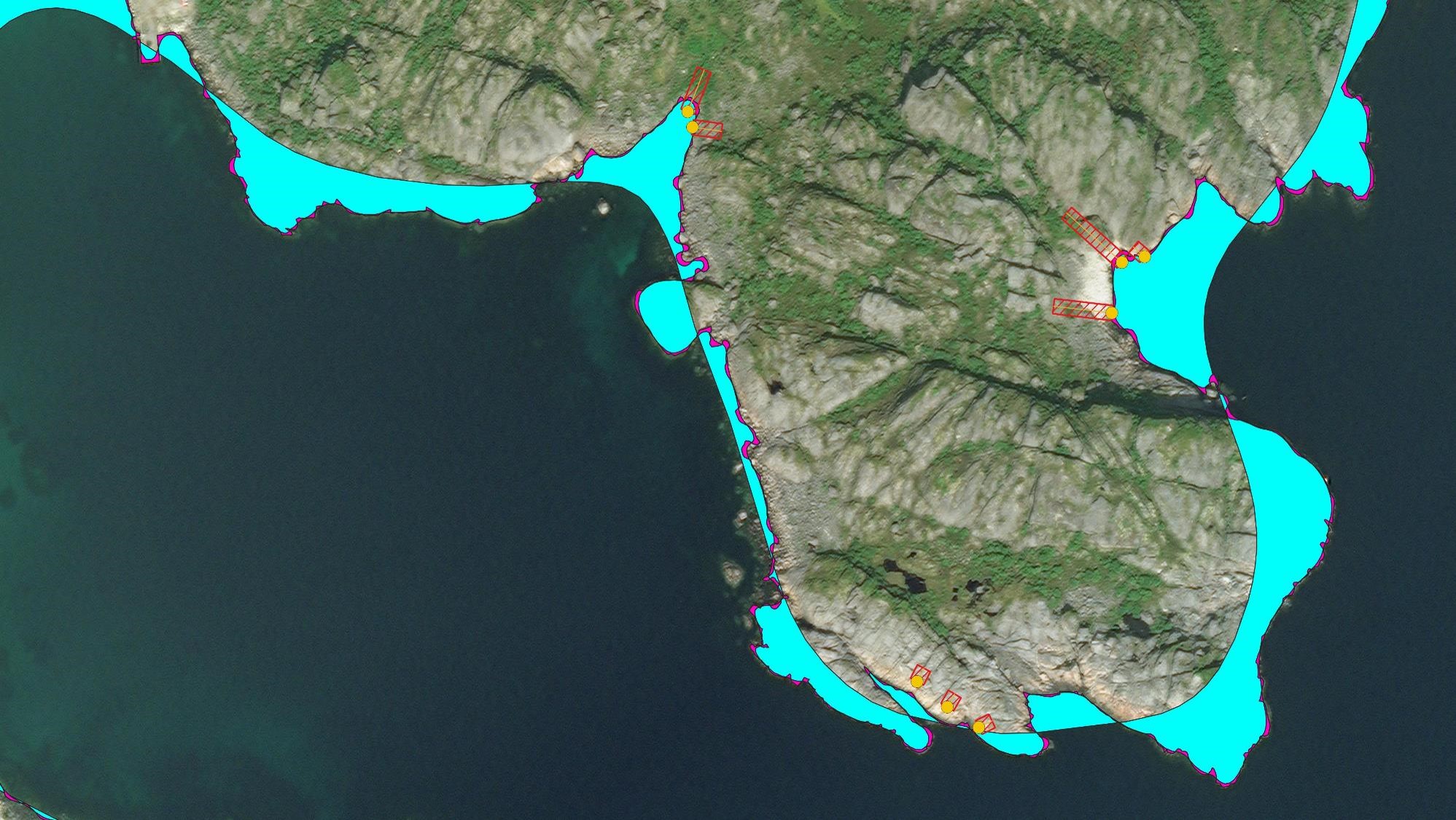
A novel GIS-based tool for predicting coastal litter accumulation and optimising coastal cleanup actions
We tested a GIS-based predictive model to identify marine litter hotspots in Lofoten, Norway based on shoreline gradient & shape.
-

Reducing Nutrient Pollution in Laguna de Bay and Manila Bay
Challenges and opportunities to clean up, rehabilitate and restore Laguna de Bay and Manila Bay
-

Mountain Adaptation Outlook Series: Outlook on Climate Change Adaptation in the Hindu Kush Himalaya
The Hindu Kush Himalaya (HKH) is on the frontline of climate change, experiencing both fast and slow onset climate hazards creating risks…
-

Mountain Adaptation Outlook Series: Synthesis Report
This Report highlights common challenges to increase global cooperation around mountain adaptation.
-
Communicating Ecosystem-Based Management
This UN Environment / GRID- Arendal publication highlights practical ways to communicate the importance of ecosystem-based management.
-
-

-

The Andean Glacier and Water Atlas: The Impact of Glacier Retreat on Water Resources
Increasing temperatures, changes in precipitation and snow cover, together with pollution and dust, are accelerating the retreat of…